
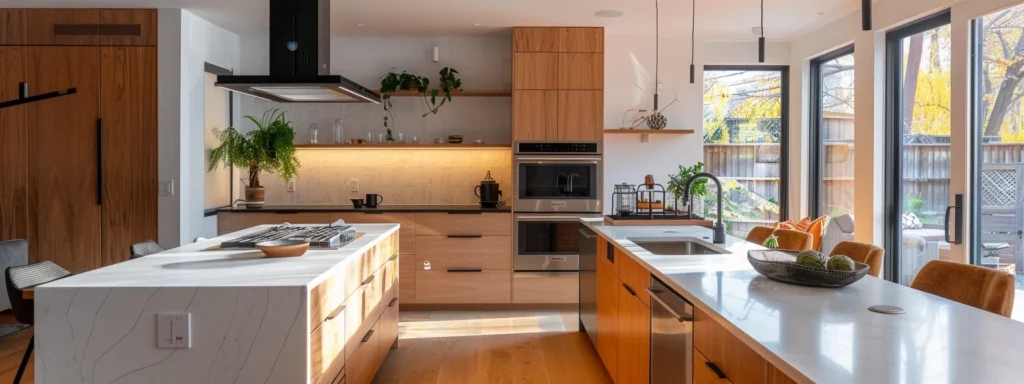




Green Kitchen Transformation: Selecting Sustainable Remodeling Pathways
Transforming your kitchen into a sustainable haven is not just a modern trend; it’s a necessity. With pollution levels rising and environmental concerns becoming more pressing, options like a smart thermostat, energy-efficient dishwasher, and linoleum flooring present viable avenues for eco-friendly renovations. This shift isn’t merely about aesthetics; it’s about creating a healthier home for both you and the planet. Embracing sustainable remodeling pathways allows you to balance style and responsibility while making informed choices. From timeless designs to innovative techniques, the possibilities are truly exciting. Keep reading to discover a comprehensive checklist that will guide you through an eco-friendly kitchen transformation.
A 9-Step Checklist for an Eco-Friendly Kitchen Remodel
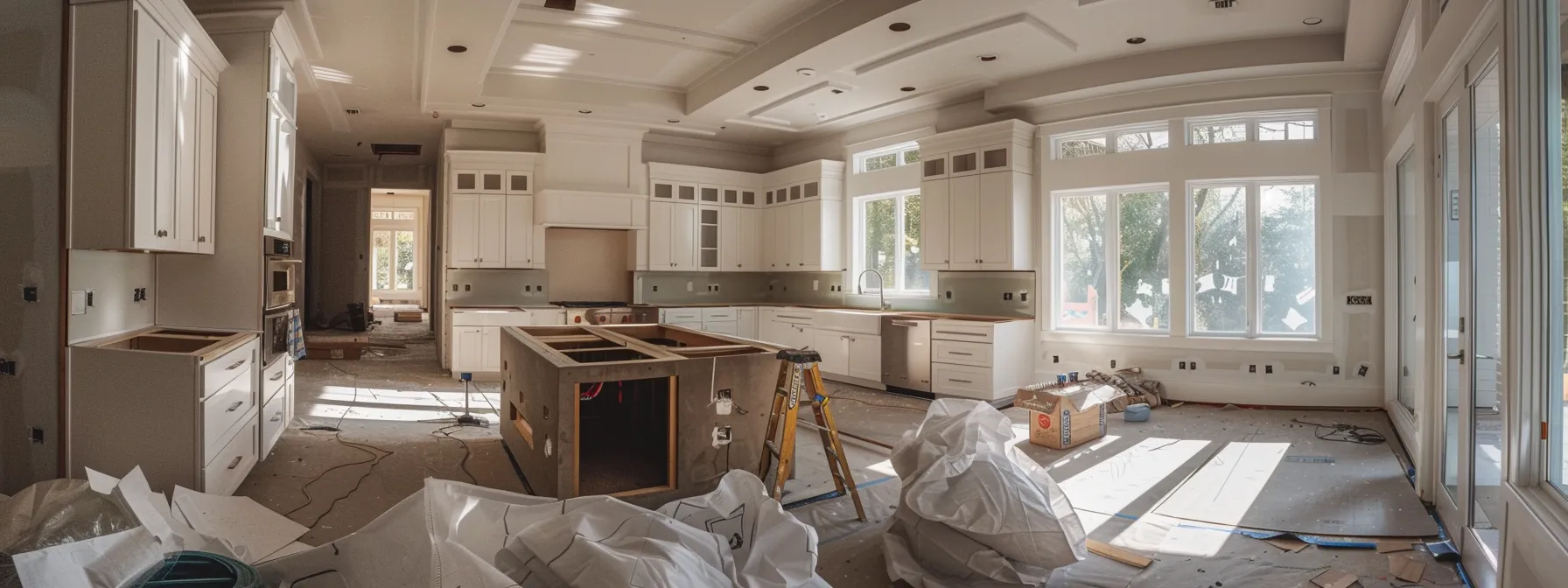
As I embark on the journey of creating an eco-friendly kitchen, I have learned that every detail matters. The choice of an eco-expert contractor to guide the construction process is vital, ensuring that my vision aligns with sustainable practices. I prioritize eco-friendly materials that not only reduce waste but also enhance the appeal of my cabinetry. Selecting water-efficient fixtures and energy-efficient lighting allows me to reduce utility costs while improving the functionality of the space. Furthermore, investing in energy-efficient appliances contributes to a greener living environment. I make sure to use VOC-free paints, finishes, and coatings to maintain indoor air quality. Choosing eco-friendly flooring sets the foundation for a healthier space, complemented by installed energy-efficient windows that maximize natural daylight. Each step in this process brings me closer to achieving a kitchen that reflects my commitment to sustainability while being functional and stylish.
1: Find an Eco-Expert Contractor
Finding the right eco-expert contractor, like the brothers bloom, is paramount in my kitchen remodeling journey. I look for professionals who have a robust understanding of sustainable practices and materials, such as using bamboo or recycled wood instead of traditional fiberboard. Their knowledge of eco-friendly varnish options also assures me that my choices will uphold both aesthetic quality and environmental integrity.
An architect with experience in green building techniques can offer innovative solutions tailored to my vision. They can guide the selection of sustainable materials, ensuring that every element, from cabinetry to countertops, contributes to an eco-friendly environment. By collaborating closely with these experts, I can transform my kitchen into a space that aligns with my values while being functional and inviting.
2: Choose Eco-Friendly Materials
When selecting materials for my kitchen remodel, I prioritize options that significantly reduce my carbon footprint. Utilizing engineered wood, for instance, provides a sustainable alternative that mimics the beauty of traditional oak while ensuring durability and resistance to wear. This choice not only supports responsible harvesting practices but also complements my interior design vision, maintaining an elegant and inviting atmosphere.
In addition to aesthetics, I focus on waterproofing solutions that protect my investment and enhance the longevity of my materials. Using eco-friendly sealants and finishes contributes to a healthier indoor environment by minimizing harmful emissions. These thoughtful selections ensure that my kitchen is a space where sustainability and style coexist harmoniously.
3: Build Better Cabinets
As I consider building better cabinets for my eco-friendly kitchen, the choice of materials is crucial. I seek out cabinetry made from certified wood, ensuring that it comes from responsibly managed forests. This not only addresses my concerns about sustainability but also aligns with the standards outlined by the California Air Resources Board, which promotes low-emission products and verifies their impact on indoor air quality.
In addition to wood, I explore the use of metal as an alternative material, which is durable and often recyclable. I consciously avoid high-toxicity finishes and adhesives, opting instead for non-toxic options that contribute to a healthier kitchen environment. By prioritizing energy-efficient designs and materials, I make a choice that reflects my commitment to sustainability while enhancing the overall appeal of my kitchen space.
4: Select Water-Efficient Fixtures
In my pursuit of an eco-friendly kitchen, choosing water-efficient fixtures has become a priority. I appreciate how these fixtures not only contribute to sustainability but also enhance the beauty of the space. Specifically, I look for options boasting the Energy Star label, as they guarantee efficiency without sacrificing style. The combination of elegance and function is essential, especially when paired with natural materials like cork that bring warmth to the design.
I also ensure that any materials I select, such as particle board, come from sustainable sources. Additionally, I incorporate fixtures that are easy to recycle at the end of their life cycle, aligning with my commitment to minimizing waste. By thoughtfully selecting water-efficient fixtures, I feel confident that I can create a stylish kitchen while reducing overall water consumption.
5: Choose Energy-Efficient Lighting
When selecting energy-efficient lighting for my kitchen remodel, I focus on options that not only illuminate the space but also complement my style. I prioritize LED fixtures because they offer durability and consume less energy compared to traditional bulbs. Additionally, by ensuring that the lighting integrates seamlessly with my cabinets made from sustainable composite material, I can achieve a cohesive look that enhances both aesthetics and functionality.
As I navigate this home remodeling journey, I am particularly vigilant about avoiding any carcinogen-containing materials in my lighting choices. Opting for fixtures that adhere to strict health standards aligns with my commitment to creating a safe environment. This attention to detail in selecting energy-efficient lighting further solidifies my goal of cultivating a kitchen that is both inviting and eco-conscious.
6: Invest in Energy-Efficient Appliances
As I invest in energy-efficient appliances, I recognize the significant impact they have on my kitchen’s overall carbon footprint. By selecting models designed to reduce energy consumption, I contribute to a sustainable future while also supporting my efforts against climate change. Cooking becomes more efficient and eco-friendly, allowing me to enjoy delicious meals without guilt.
Moreover, I aim for appliances that promote a zero waste lifestyle. Choosing those with smart technology not only reduces my energy usage but also enhances my kitchen’s functionality and convenience. This thoughtful approach in selecting energy-efficient appliances aligns perfectly with my vision of creating a responsible and stylish space that prioritizes sustainability.
7: Use VOC-Free Paints, Finishes, and Coatings
As I select paints, finishes, and coatings for my kitchen remodel, I prioritize VOC-free options that promote a healthier indoor environment. These low-volatile organic compound products not only protect the air quality but also ensure that the materials I choose, such as plywood for cabinetry, contribute to sustainability. I appreciate how VOC-free paints yield vibrant colors while allowing my quartz countertops to shine without the worry of harmful emissions damaging my home atmosphere.
Choosing eco-friendly finishes is essential, especially for the kitchen space where my family gathers. I strive to work with kitchen cabinet manufacturers who offer sustainable solutions, including coatings that adhere to stringent health standards. By minimizing chemical exposure in my kitchen, I’m taking a vital step toward nurturing an environment that mirrors my commitment to sustainability and respects the soil our homes sit upon:
| Step | Action | Benefits |
|---|---|---|
| 1 | Select VOC-Free Products | Improves Indoor Air Quality |
| 2 | Use Plywood Cabinets | Supports Sustainable Sourcing |
| 3 | Incorporate Quartz Countertops | Enhances Aesthetic Appeal |
| 4 | Choose Eco-Friendly Finishes | Minimizes Harmful Emissions |
| 5 | Work with Eco-Conscious Manufacturers | Aligns with Sustainable Practices |
8: Find Eco-Friendly Flooring
Finding eco-friendly flooring has become a key focus in my kitchen remodel as I strive to minimize my impact on the environment. I consider using reclaimed lumber, which not only reduces the demand for new hardwood but also helps lower greenhouse gas emissions by reusing existing materials. This choice allows me to maintain a beautiful aesthetic while supporting sustainable practices that protect our habitat.
As I evaluate various flooring options, I prioritize materials that align with my commitment to eco-friendliness. Sustainable choices, such as bamboo or cork, appeal to me due to their rapid growth and renewability, but I find reclaimed hardwood particularly enchanting for its unique character. Integrating such materials into my kitchen cabinet designs creates a cohesive look that underscores my dedication to creating a stylish and sustainable space.
9: Install Energy-Efficient Windows
Choosing energy-efficient windows has become a vital step in my kitchen remodel as I focus on enhancing both aesthetics and sustainability. These windows can significantly improve insulation, helping to maintain a comfortable temperature while reducing energy consumption associated with heating and cooling. I’m particularly drawn to options like those made with lyptus wood, which aligns elegantly with my commitment to environmental stewardship and offers a stylish touch to my kitchen.
The integration of energy-efficient windows not only supports my energy-saving goals but also allows for better control over natural light. By installing features like dimmer switches, I can adjust the brightness to create the perfect ambiance that caters to my family’s needs. This thoughtful approach ensures my kitchen remains inviting for customers and guests alike, promoting both functional beauty and sustainability.
- 1. Find an Eco-Expert Contractor
- 2. Choose Eco-Friendly Materials
- 3. Build Better Cabinets
- 4. Select Water-Efficient Fixtures
- 5. Choose Energy-Efficient Lighting
- 6. Invest in Energy-Efficient Appliances
- 7. Use VOC-Free Paints, Finishes, and Coatings
- 8. Find Eco-Friendly Flooring
- 9. Install Energy-Efficient Windows
Consider a Timeless Design
As I consider the overall design for my green kitchen transformation, I prioritize selecting a style that remains timeless. I recognize that opting for classic designs means less frequent updates, thus minimizing waste and supporting a more sustainable lifestyle. By integrating environmentally friendly materials, such as those that contain low levels of volatile organic compounds, I ensure that my kitchen remains both stylish and conscientious.
When choosing materials, I often think about how aluminium can enhance my kitchen’s aesthetic while contributing to its durability. This metal not only adds a modern touch but also aligns with my commitment to sustainability since it is recyclable and energy-efficient. I appreciate how incorporating such resilient materials allows me to create a lasting impression without compromising my environmental values.
In addition to my kitchen, I also apply these principles when thinking about the bathroom. I believe that the same timeless design philosophy can extend throughout my home. Employing sustainable materials and finishes throughout both spaces contributes to a cohesive look and supports my overall vision of a harmonious living environment.
As I finalize my choices, I consider resin-based elements that enhance both functionality and design. This durable material fits well with my aesthetic goals while also remaining low in toxic emissions. Making these mindful selections reinforces my dedication to creating spaces that reflect my passion for sustainability and good design.
Invest in Energy Efficient Windows and Doors
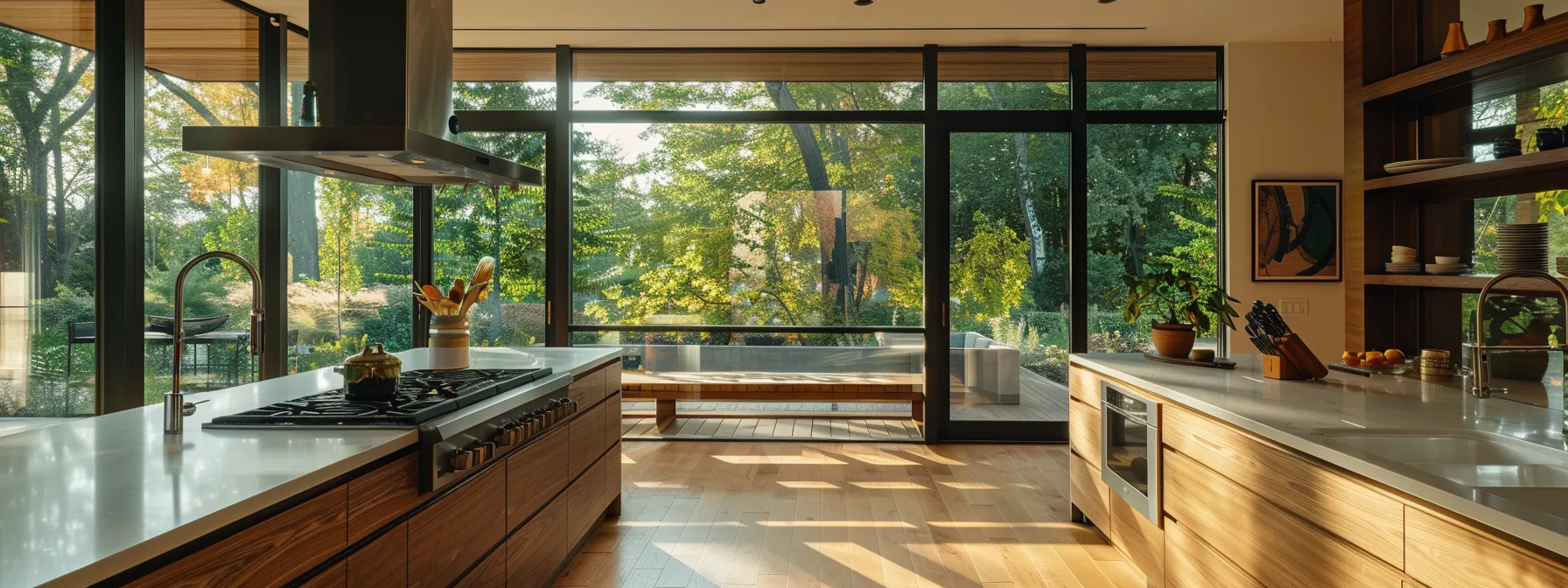
As I proceed with my kitchen remodeling project, investing in energy-efficient windows and doors stands out as a critical step. These features play a significant role in reducing odor and enhancing the indoor air quality of my space while minimizing greenhouse gas emissions. By choosing high-performance models, I feel confident that I’m making a positive impact on both my environment and my family’s health.
Incorporating materials like engineered stone for countertops complements my commitment to sustainability and energy efficiency. These materials are not only durable and stylish but also contribute to reduced energy costs by providing excellent insulation. The beauty and functionality they offer align perfectly with my vision of a modern yet eco-conscious kitchen.
Opting for concrete door frames offers additional benefits, as this sturdy material contributes to energy efficiency by preventing drafts. The aesthetic of concrete combined with sleek design elements enhances the overall look of my kitchen while ensuring that my choices remain environmentally responsible. I appreciate how these selections support my goal of creating a beautiful and functional space.
Ultimately, the decision to invest in energy-efficient windows and doors signifies my commitment to a sustainable lifestyle. Each feature I select, from materials to installation techniques, aligns with my broader objective of reducing my carbon footprint and creating a healthier living environment. This thoughtful approach impacts my kitchen styling while amplifying my passion for eco-friendly living.
Choose Energy-Efficient Appliances and Lighting
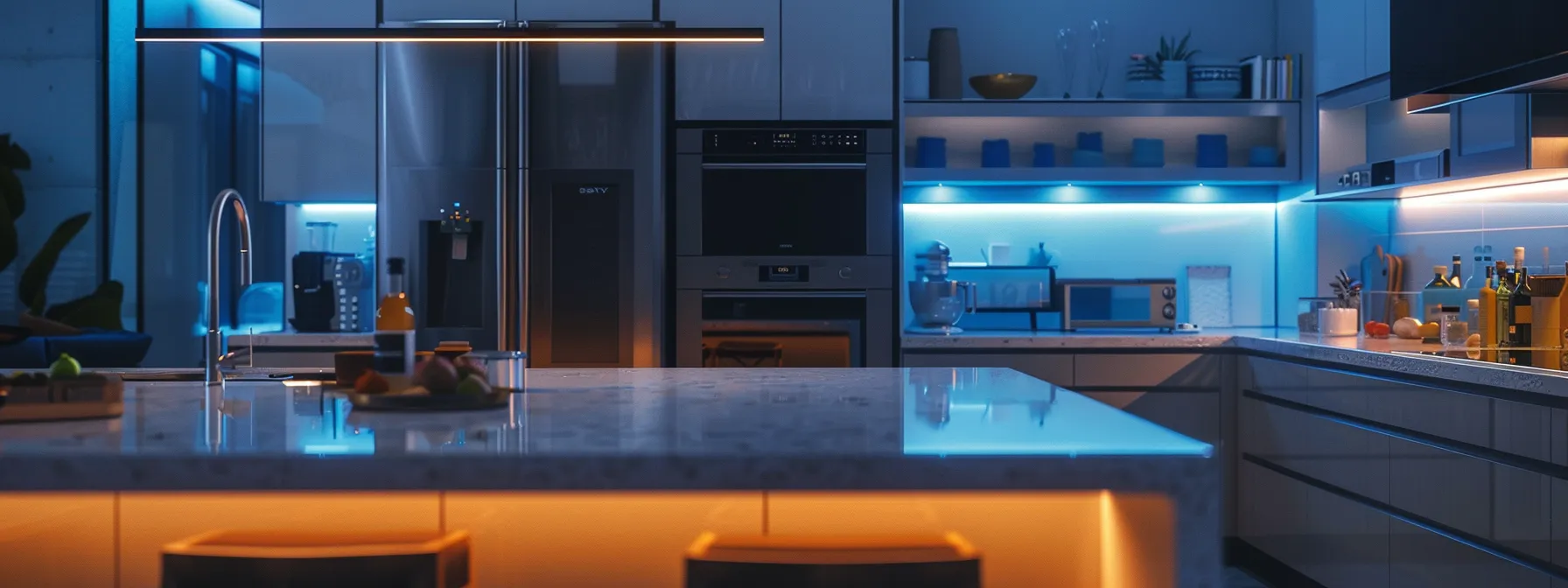
In my pursuit of a green kitchen transformation, selecting energy-efficient appliances stands out as a primary focus. I appreciate how these appliances not only reduce energy consumption but also contribute to minimizing air pollution. By prioritizing those with the Energy Star label, I ensure that my choices align with sustainable living standards.
Equally important, I pay attention to the lighting options I choose for the kitchen. Energy-efficient lighting dramatically impacts my utility bills, and I opt for LED fixtures that last significantly longer than traditional bulbs. This choice is both practical and beneficial for preserving our planet’s renewable resources.
As I consider my future plans for bathroom remodeling, I reflect on the cohesive approach I want for my entire home. By integrating energy-efficient appliances and lighting throughout both spaces, I reaffirm my commitment to sustainability. My interest in using organic compounds becomes essential as I explore non-toxic paints and finishes that enhance aesthetics while promoting health in my living environment.
Ultimately, embracing energy-efficient solutions transforms my kitchen into a stylish yet responsible space. I am confident that each decision contributes positively towards reducing my carbon footprint by lessening reliance on oil and fossil fuels. Every aspect of my renovation journey reinforces my dedication to fostering a healthier, eco-friendly lifestyle:
- Selecting energy-efficient appliances to reduce energy consumption and air pollution.
- Choosing LED lighting fixtures for long-lasting effectiveness and reduced energy costs.
- Considering bathroom remodeling for a cohesive eco-friendly approach throughout my home.
- Utilizing organic compounds in paints and finishes for a healthier indoor environment.
- Creating a stylish kitchen that aligns with my sustainable living values.
Opt for Eco-Friendly Materials for Your Kitchen Renovation
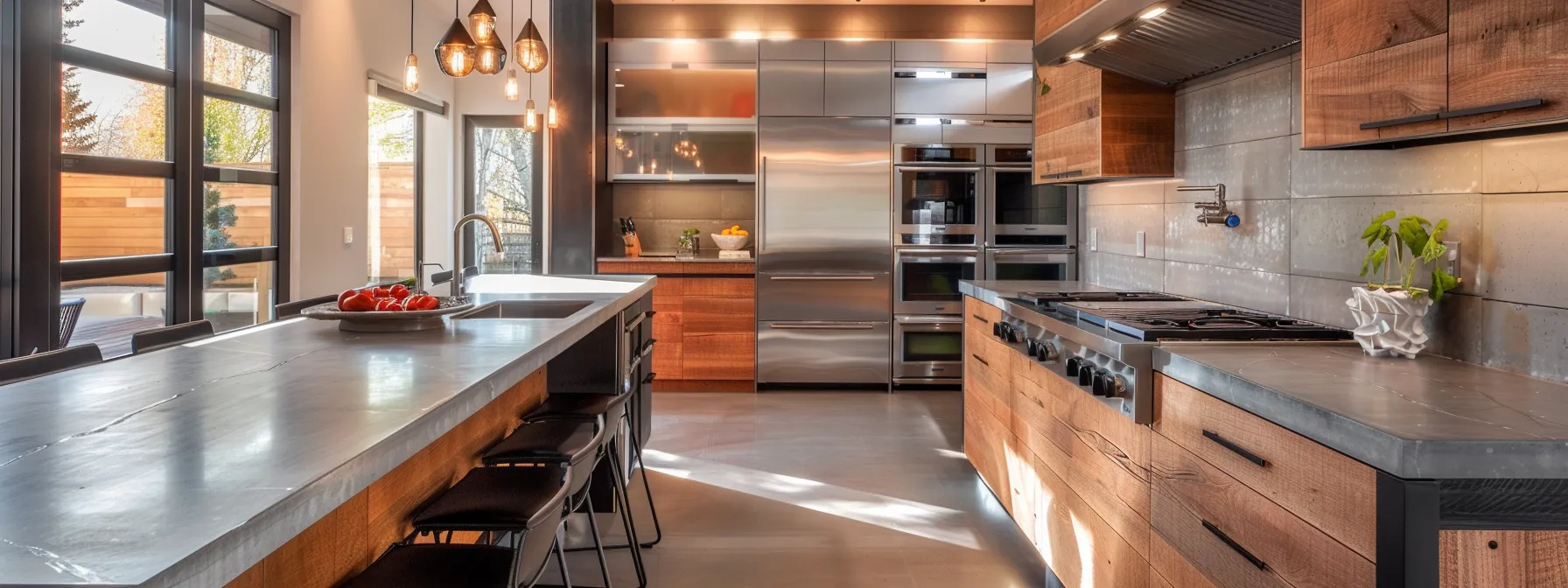
When planning my kitchen renovation, I consciously aim to opt for eco-friendly materials that minimize waste and carbon emissions. By choosing resources that can be reused or reclaimed, I feel I’m making a significant difference. For example, incorporating reclaimed wood for cabinetry highlights both sustainability and uniqueness in my design.
I have also considered using steel elements in my kitchen, as this durable material is not only recyclable but also reflects modern aesthetics. The industrial charm that steel brings complements the other eco-friendly materials, creating a cohesive look throughout the space. This choice aligns with my dedication to a sustainable lifestyle without sacrificing style.
As I prioritize responsible sourcing, I ensure that the materials I select contribute to reducing my overall carbon footprint. Choosing options that are certified and sustainably harvested allows me to embrace a healthier lifestyle while supporting ethical practices. I enjoy exploring various eco-friendly alternatives that respect the environment as I develop my kitchen’s character.
Each decision I make regarding materials is crucial to supporting a greener future. For me, investing in sustainable resources not only benefits my kitchen but also sets an example for others in my community. By intentionally selecting eco-friendly options, I solidify my commitment to reducing waste and promoting an environmentally responsible approach in all aspects of life.
Find an Expert Eco-Friendly Contractor
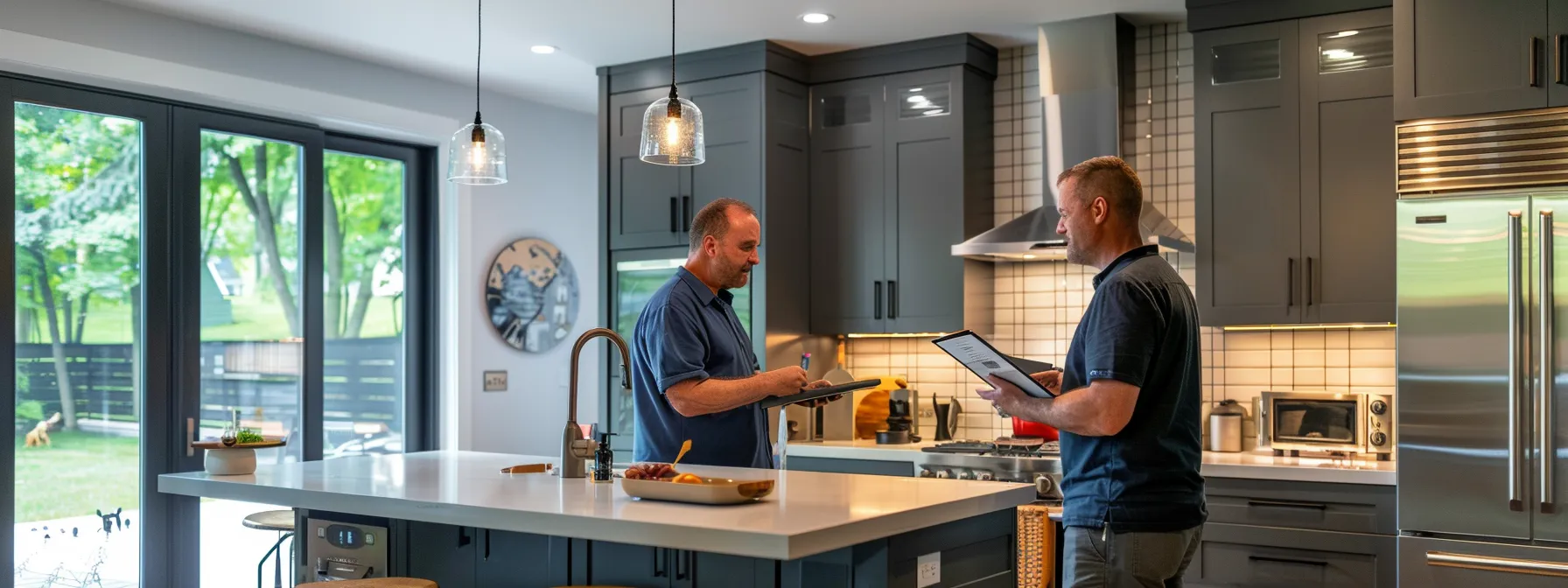
Finding an expert eco-friendly contractor is a pivotal step in my kitchen transformation journey. I understand that selecting someone with experience in sustainable building practices can alleviate the nausea that often accompanies renovations. With their guidance, I can ensure that every choice I make aligns with environmentally friendly standards.
When interviewing contractors, I prioritize their knowledge of eco-friendly materials, such as reclaimed lumber, which not only looks aesthetically pleasing but also supports waste reduction. I feel reassured knowing that these professionals can help transport me toward a more sustainable kitchen without relying on harmful toxins found in traditional construction methods. Their insight allows me to avoid pitfalls that could compromise my vision of a healthy living space.
I specifically seek contractors who are familiar with Energy Star-rated products, as these items significantly reduce energy consumption and promote efficiency in my home. Their expertise in recommending these appliances enhances my commitment to sustainability. Knowing that I can rely on their experience helps me feel more confident in my choices.
By collaborating closely with an eco-conscious contractor, I can navigate the remodeling process with ease. They help me select sustainable materials and practices, reinforcing my goal of creating a kitchen that reflects my values. This partnership is crucial for achieving the eco-friendly space I envision, one that contributes positively to both my health and the environment.
Sustainable Kitchen Ideas
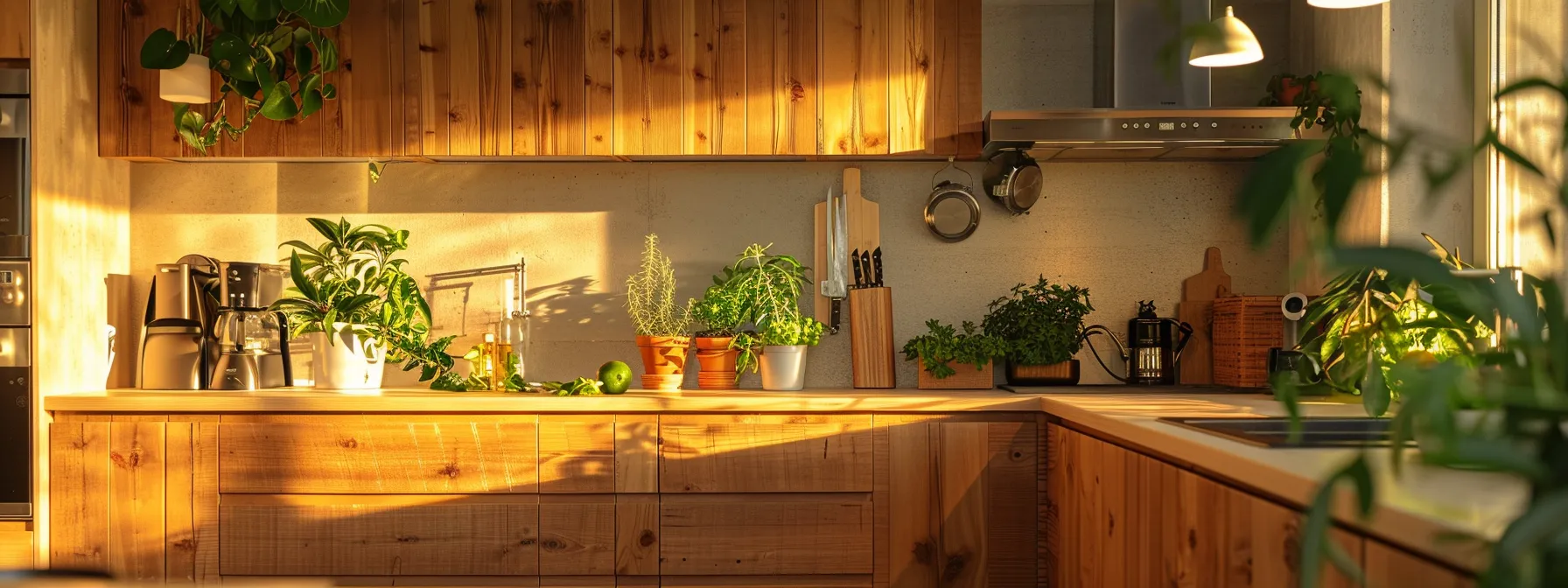
In Minneapolis, I find inspiration for my kitchen transformation through sustainable living principles. One idea I’ve embraced is incorporating reclaimed materials that tell a story while promoting eco-friendliness. For example, I consider using reclaimed wood from old buildings, ensuring my cabinets have a unique charm and a smaller carbon footprint.
As I explore brands focused on sustainable kitchen products, I’m particularly drawn to those using eco-conscious practices in their manufacturing processes. I feel a greater sense of satisfaction knowing my choices contribute to responsible sourcing and environmental stewardship. Selecting durable items, like solid countertops, complements my approach to building a lasting kitchen without compromising on style.
Adding energy-efficient appliances, such as an oven that meets high performance standards, aligns perfectly with my goals for a green kitchen. These appliances not only reduce energy consumption, but they also enhance my culinary experience. I’m excited to discover models that reflect my commitment to sustainable living, allowing me to cook delicious meals while minimizing my environmental impact.
Lastly, I’ve considered the role of natural elements in my kitchen design. By incorporating green plants and growing herbs indoors, I enhance both the aesthetics and air quality of the space, creating a refreshing environment. This connection to nature fosters a sense of well-being while reminding me of the importance of responsible consumption and the conservation of our precious resources, particularly in areas affected by mining activities.
Give a Kitchen a Second Chance
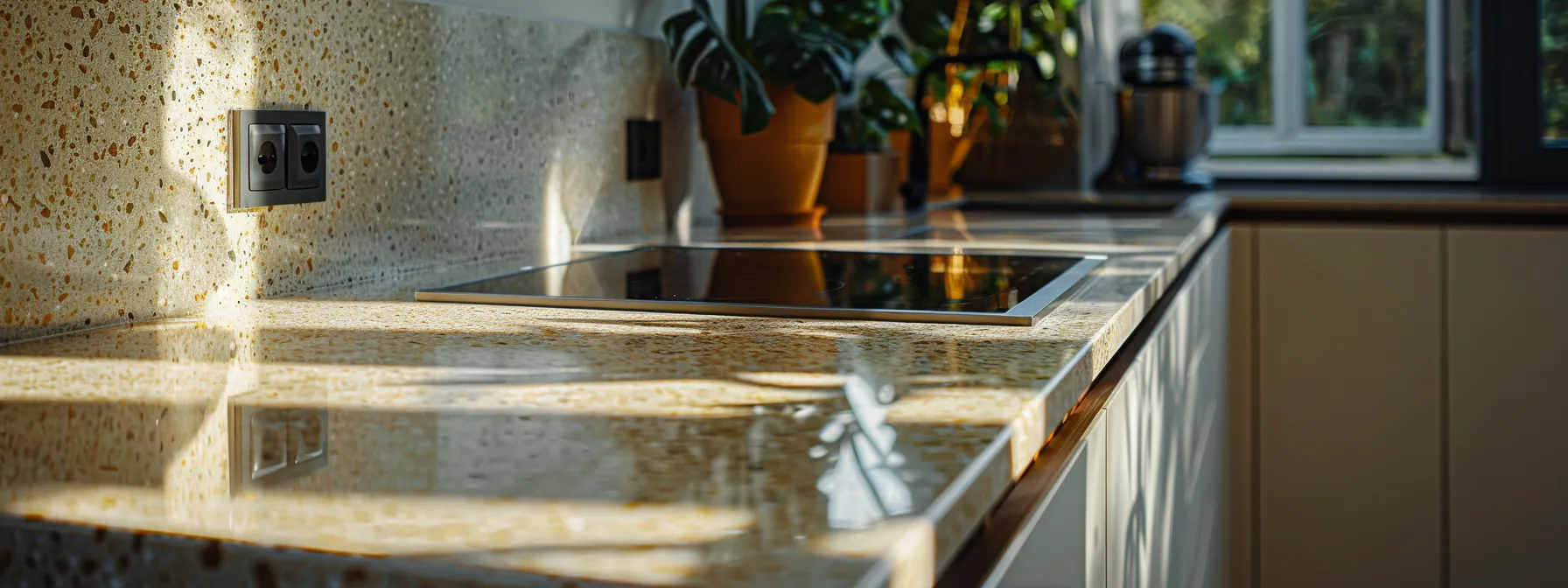
As I embark on this journey towards a green kitchen transformation, I often think about how I can give my existing kitchen a second chance. By refurbishing rather than replacing, I can breathe new life into my space without contributing to landfill waste. For instance, resurfacing my countertops with sustainable materials like terrazzo not only preserves their beauty but also aligns with my eco-friendly goals.
I also take the opportunity to evaluate the functionality of my appliances, particularly the stove. I find that upgrading to an induction cooking unit significantly enhances energy efficiency in my kitchen. This choice reduces my carbon footprint while improving the quality and safety of my cooking experience.
In rethinking how I utilize my kitchen, I recognize the importance of composting. Implementing a composting system allows me to reduce food waste and enrich my garden soil at the same time. This small adjustment not only promotes sustainability but also transforms my kitchen into a more environmentally conscious space.
Giving my kitchen a second chance also means investing in high-quality, durable materials that will last for years. Instead of rushing into a complete overhaul, I assess each element and consider how I can repurpose or upgrade them sustainably. Through thoughtful choices, I can create a kitchen that is both stylish and eco-friendly, reflecting my commitment to responsible living.
Think About Carbon Neutrality
As I consider ways to achieve carbon neutrality in my kitchen, I focus on reducing my ecological footprint by thoughtfully selecting materials and appliances. One significant change I made was eliminating plastic items, opting instead for sustainable alternatives that support my commitment to a greener lifestyle. This conscious decision not only minimizes waste but also encourages responsible consumption.
In my quest for energy efficiency, investing in a convection oven has proven to be a wise choice. This appliance cooks food more evenly while using less energy compared to traditional ovens, allowing me to prepare meals with a reduced carbon output. By prioritizing energy-efficient appliances, I contribute to a sustainable kitchen that aligns with my values.
I also pay attention to lighting choices, favoring LED bulbs that consume less energy and last much longer. By replacing older, less-efficient bulbs, I create a brighter space while significantly cutting down on energy use. This small adjustment helps me further decrease my ecological footprint in the kitchen.
Finally, I remain mindful of how my remodeling efforts impact the environment when disposing of old items. Instead of sending appliances and materials to the landfill, I explore avenues for recycling or repurposing wherever possible. This approach not only minimizes waste but also reinforces my commitment to sustainability, fostering a kitchen environment that reflects my values.
Try Ply
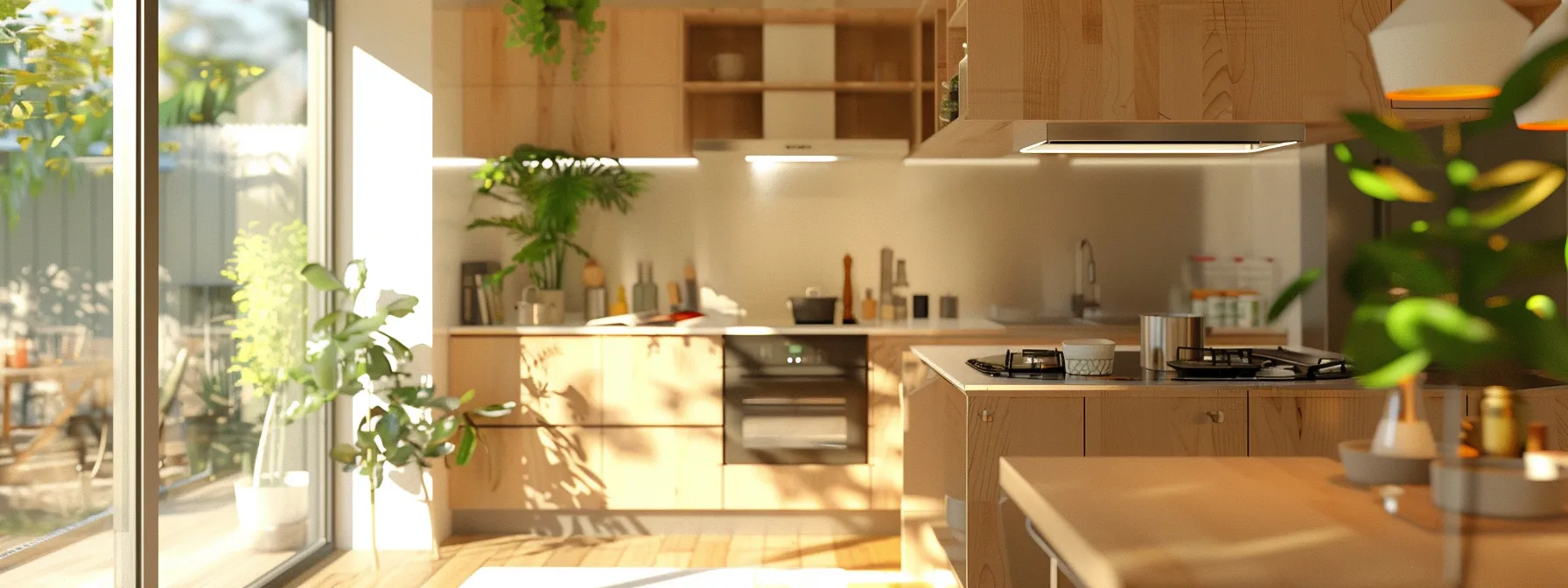
As I embark on my green kitchen transformation, I am increasingly drawn to the use of ply materials. Ply not only showcases durability but also emphasizes sustainable practices through its environmentally friendly production methods. This aligns with my commitment to an environmental stewardship program that prioritizes eco-responsibility in every aspect of my renovation.
Incorporating stainless steel elements into my kitchen adds a sleek and modern touch while reinforcing my stewardship efforts. Stainless steel is highly recyclable and pairs perfectly with ply for a contemporary aesthetic. This choice allows me to maintain visual appeal without compromising on sustainability.
Tile selections also play a pivotal role in my remodeling journey. I prioritize tiles made from recycled materials that contribute to energy conservation through their production processes. By opting for these eco-friendly options, I ensure that my kitchen remains stylish while supporting sustainable sourcing practices.
Each decision I make reflects a larger commitment to creating a sustainable environment within my home, reinforcing the importance of stewardship. I recognize that selecting materials wisely can significantly impact both style and sustainability. My journey toward a greener kitchen underscores the power of thoughtful choices in shaping a responsible living space:
| Material | Benefits | Impact on Sustainability |
|---|---|---|
| Ply | Durability and eco-friendliness | Supports environmental stewardship program |
| Stainless Steel | Modern aesthetic and recyclability | Reinforces stewardship efforts |
| Tile | Stylish and energy conserving | Enhances sustainability through recycled materials |
Mix Old and New
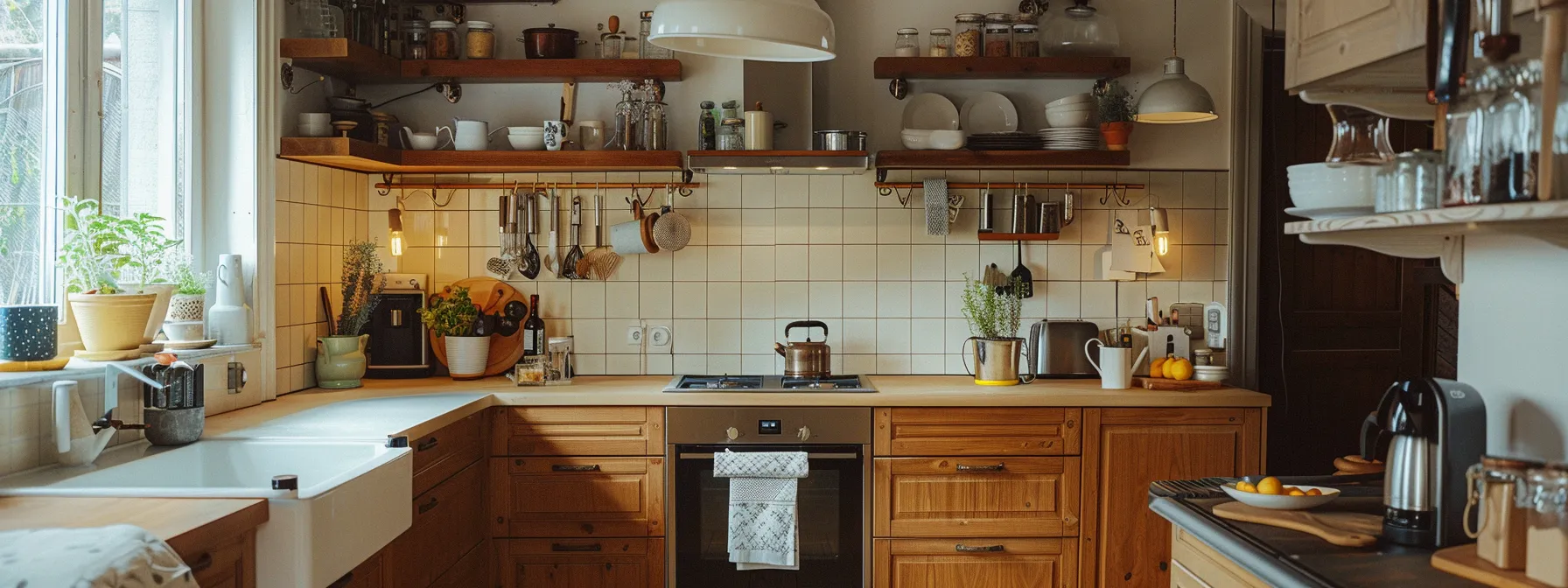
As I approach the design of my green kitchen transformation, I value the aesthetic of mixing old and new elements. By incorporating vintage cabinets alongside modern fixtures, I not only create a unique room but also embrace eco-friendly cabinet refacing techniques. This choice allows me to utilize existing materials, minimizing scrap waste and giving new life to components that might otherwise be discarded.
While I appreciate the charm of older elements, I also recognize the need for modern efficiencies. With advanced appliances and water conservation features, I can reduce my environmental impact significantly. Balancing the rustic appeal of reclaimed materials with innovative technologies ensures that I maintain sustainability without sacrificing style or functionality.
Additionally, I am mindful of the risks associated with certain renovation choices. By opting for cabinet refacing instead of complete replacements, I lower my exposure to harmful chemicals often found in newer construction materials. This approach not only supports my commitment to a healthier living space but also reflects my desire to create a kitchen that is as eco-conscious as it is visually appealing.
In blending different styles, I aim to celebrate the history of my home while making responsible choices for the future. Each decision contributes not only to the beauty of the room but also to the overarching goal of sustainability. I’m excited to see how these elements come together in my kitchen, showcasing the perfect harmony between vintage charm and modern efficiency.
Fused Modern and Heritage Styles
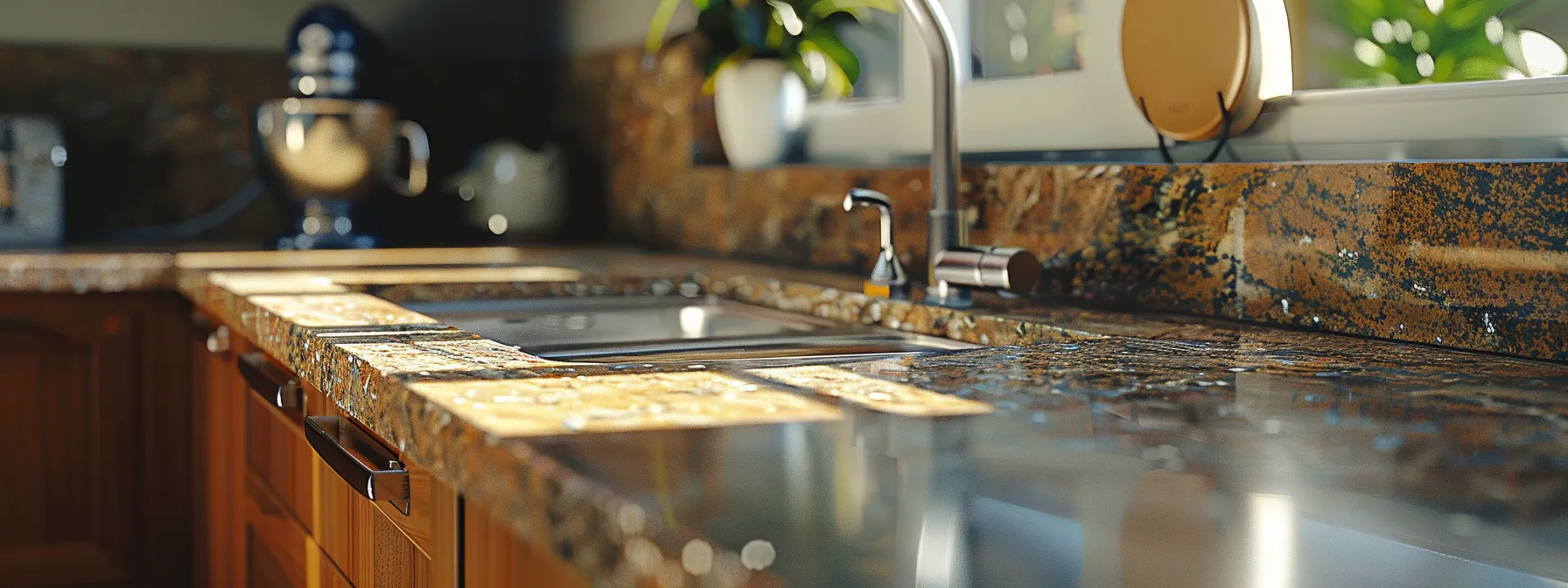
As I consider the fusion of modern and heritage styles in my kitchen renovation, I find that integrating elements from both eras creates a unique aesthetic. For instance, incorporating granite countertops adds a touch of sophistication while grounding the space in natural materials that resonate with my commitment to sustainability. This combination makes my kitchen a standout feature of my home improvement project.
When selecting a sink, I choose a design that seamlessly marries contemporary functionality with classic charm. By opting for a sleek, modern sink made from recycled materials, I strike the right balance between style and environmental responsibility. This choice reflects my intention to address today’s climate challenges while crafting a distinctive kitchen that honors the past.
The careful selection of cabinetry is also crucial to my vision. I explore repurposing antique cabinets, which not only reduces waste but adds character to the space. To ensure that these cabinetry options work harmoniously with my new elements, I incorporate modern hardware that offers both durability and a nod to the kitchen’s heritage.
As I progress with my kitchen renovation, I’m excited to see how these different styles blend together seamlessly. Each choice reinforces my dedication to creating a space that is not only visually appealing but also aligned with sustainable practices. This thoughtful approach encapsulates my overall goal of building a kitchen that feels both timeless and innovative, reflecting the values I cherish in my home improvement journey.
Look to Innovative Techniques
In my journey toward a green kitchen transformation, I am excited to explore innovative techniques that enhance sustainability throughout the remodeling process. For instance, I am considering incorporating kitchen drawers designed with eco-friendly materials. These drawers not only provide functional storage but also align with my commitment to minimizing the environmental impact of my renovation.
Another aspect I am keen on is integrating modern appliances, such as a high-efficiency compressor for my refrigerator. This choice reduces energy consumption and supports my overall sustainability goals, proving that a kitchen remodel can blend efficiency with style. I appreciate how these advanced technologies contribute positively to both my kitchen aesthetics and my commitment to a greener lifestyle.
While selecting materials for countertops and cabinets, I focus on those that incorporate recycled components. By choosing options that not only look beautiful but are also sustainable, I am reinforcing my dedication to responsible living. Each decision in this kitchen renovation reflects my desire to create a space that is both visually appealing and ecologically friendly.
As I finalize the design elements, I am captivated by the idea of using energy-efficient lighting fixtures that compliment my kitchen layout. These fixtures not only illuminate the space but also enhance its overall functionality, showcasing that sustainability can be stylish. My kitchen remodel symbolizes a beautiful fusion of modern innovations and eco-conscious practices that I believe can inspire others.
Make It Modern
In my pursuit of a modern kitchen transformation, I prioritize green building practices that enhance sustainability without compromising style. I aim to choose materials that support eco-friendly manufacturing processes while also ensuring that they contribute positively to indoor air quality. By opting for products with low VOC levels and non-toxic adhesives, I improve the overall environment in my kitchen, making it a healthier space for my family.
Upcycling plays a crucial role in my remodeling journey, as I incorporate existing materials where possible. This approach not only reduces waste but also gives a unique character to my kitchen, blending the old with the new. I find satisfaction in knowing that I’m reimagining resources creatively while adhering to sustainable principles, all while adding a personal touch to the design.
I am particularly excited about the advancements in energy-efficient appliances that modernize my kitchen while reflecting my commitment to sustainability. By selecting products that reduce energy consumption and promote eco-friendly practices, I take significant steps toward lowering my carbon footprint. Each appliance is chosen not just for its functionality but also for its alignment with my vision of a greener lifestyle.
These thoughtful decisions work together to create a cohesive, stylish kitchen. The careful selection of materials and methods reinforces my intention to build a modern kitchen that stands the test of time. By integrating sustainable practices, I am confident that I’ll achieve an inviting space that is both functional and environmentally conscious:
| Aspect | Consideration | Impact |
|---|---|---|
| Green Building | Materials with low VOC | Improves indoor air quality |
| Upcycling | Repurposing existing materials | Reduces waste and adds character |
| Appliances | Energy-efficient models | Lower energy consumption and emissions |
| Adhesives | Low-toxicity options | Creates a healthier environment |
Incorporate Antiques and Vintage Furniture
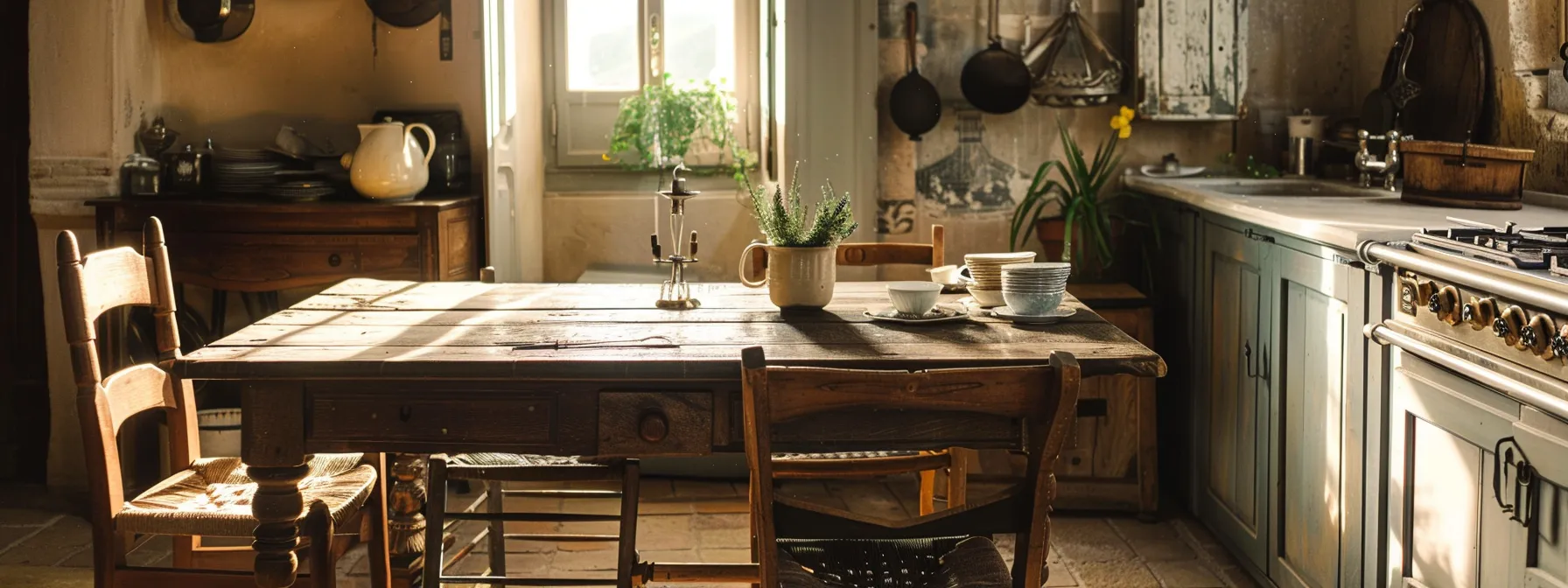
As I embrace the concept of sustainable design in my kitchen transformation, incorporating antiques and vintage furniture has become an essential part of my vision. By repurposing these unique pieces, I not only preserve history but also minimize waste in the remodeling process. This approach allows me to celebrate craftsmanship while supporting forest stewardship council principles that promote responsible sourcing.
I find that selecting vintage elements enhances the ecosystem of my kitchen by creating a harmonious blend of new and old aesthetics. Each antique piece carries its own story, adding character and depth to the space while ensuring that I make environmentally conscious decisions. Moreover, I prioritize items with low levels of formaldehyde, ensuring that my kitchen remains a safe and healthy environment for my family.
Infusing my kitchen with furniture fashioned from reclaimed materials resonates deeply with my commitment to sustainability. By choosing pieces that exemplify eco-friendly practices, I contribute to a circular economy that values reuse over waste. This philosophy not only elevates my kitchen’s decor but also serves as a reminder of the importance of nurturing an ecosystem that thrives on mindful consumption.
Balancing the old with the new, I also consider the functional benefits that antique furniture can bring to my kitchen. Some vintage items can serve as creative storage solutions or unique display pieces that help minimize clutter. By integrating these functional yet stylish elements, I can promote a greener lifestyle—one that even extends to using food scraps as fertilizer in my garden, closing the loop on sustainability in my home.
Choose Freestanding Over Fitted
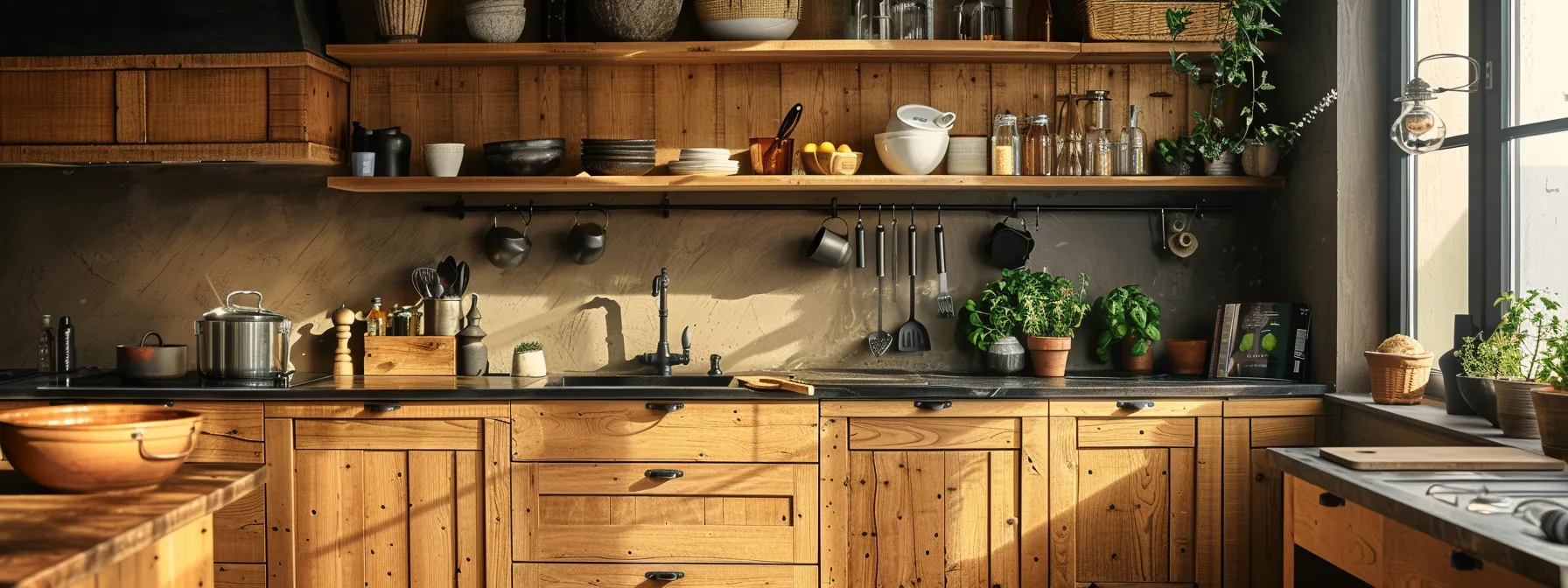
In my quest for a sustainable kitchen transformation, I favor freestanding furniture over fitted options. Freestanding pieces allow for greater flexibility in the design and layout of the space, which is essential when incorporating water purification systems and other eco-friendly features into my remodeling plans. This adaptability enables me to rearrange layouts seamlessly, ensuring that my kitchen flows beautifully while serving its functionality.
Choosing freestanding cabinetry has proven advantageous as I embrace eco-friendly practices. I can source pieces crafted from sustainable materials, such as reclaimed wood, which enhances the kitchen’s aesthetics while aligning with my commitment to reducing overall waste during remodeling. These versatile items not only offer style but also contribute positively to my goal of an environmentally responsible home.
When opting for freestanding appliances, I am particularly conscious of selecting energy-efficient models that support my sustainable efforts. For instance, choosing a water purification system that meets my aesthetic preferences while maximizing utility and efficiency can create a significant impact. I appreciate how these choices further reflect my values of promoting a healthy environment within my kitchen.
Ultimately, embracing a freestanding design empowers me to create a space that is both functional and visually appealing. The ability to mix and match pieces allows me to personalize my kitchen while ensuring it aligns with my eco-conscious remodeling goals. As I continue my green kitchen transformation, these choices embody my dedication to sustainability in every aspect of my home.
Opt for Reclaimed Flooring
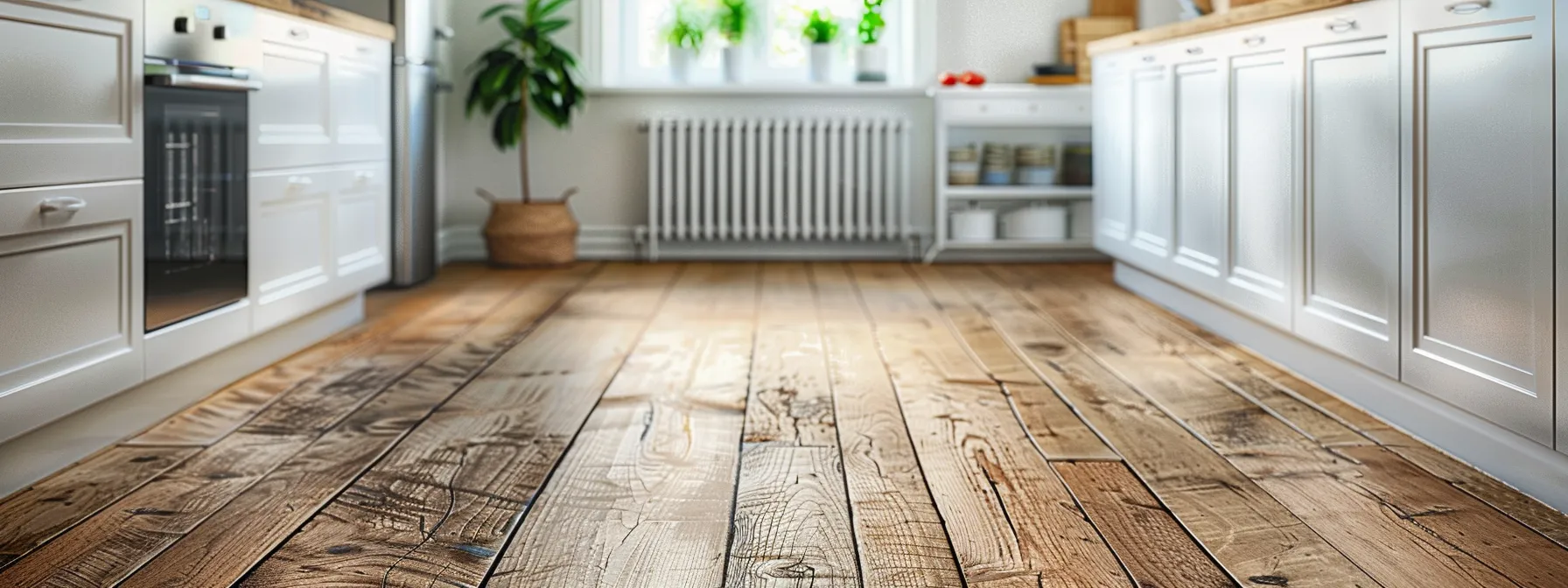
As I navigate the remodeling of my kitchen, opting for reclaimed flooring stands out as a standout choice. This selection not only appeals to my aesthetic preferences but it also aligns perfectly with my commitment to sustainability. Utilizing reclaimed wood allows me to incorporate unique character and history into my space while minimizing the demand for new resources.
With each plank of reclaimed flooring, I appreciate how it tells a story of its past life, and the rich textures add depth to the kitchen’s design. I find comfort in knowing that this approach significantly reduces waste and lowers greenhouse gas emissions compared to traditional wood sourcing. It’s a sustainable practice that reflects my values and enhances the space’s overall warmth and charm.
Additionally, I ensure that the reclaimed materials I choose have been properly processed and treated to maintain durability. This focus on quality means I can enjoy a beautiful, long-lasting floor that performs well in a kitchen environment. Each step I take reinforces my commitment to creating a responsible and stylish space that contributes to a greener future.
By selecting reclaimed flooring, I take a vital step toward achieving my vision of an eco-friendly kitchen. This choice allows for a distinct blend of sustainability and elegance, making each meal prepared in my kitchen feel even more rewarding. Ultimately, I cherish how this decision encapsulates my dedication to both design and environmental stewardship in this home renovation journey.
Pick Plastic-Free Paint
As I plan my kitchen transformation, choosing plastic-free paint has become a crucial part of my sustainable remodeling journey. I want to keep harmful chemicals out of my home, ensuring a healthier environment for my family. By opting for paint made from natural materials, I reduce my impact on indoor air quality and support eco-friendly practices.
I carefully research brands that offer plastic-free and non-toxic options, looking for products that align with my values. These paints not only come in a variety of colors but also provide durability and washability, making them ideal for high-traffic areas like the kitchen. My commitment to sustainability guides me as I select colors that blend well with my eco-friendly materials.
When applying the paint, I take care to follow best practices to minimize any waste and ensure a clean application. I appreciate that using brushes and rollers made from sustainable materials further enhances my efforts to maintain an environmentally friendly space. This attention to detail not only improves aesthetics but also reinforces my dedication to a healthy home environment.
Integrating plastic-free paint into my kitchen remodel is another step toward achieving my vision for a sustainable home. By making mindful choices, I feel empowered to create a space that reflects my commitment to eco-conscious living, supporting both aesthetic appeal and environmental responsibility:
- Choose plastic-free paint to maintain indoor air quality.
- Research brands that provide non-toxic, eco-friendly options.
- Utilize sustainable tools for application to minimize waste.
- Create a visually appealing kitchen while supporting sustainability.
Shop Local
As I embark on my green kitchen transformation, shopping local has become a guiding principle in my remodeling journey. By supporting local businesses, I contribute to my community’s economy while reducing the carbon emissions associated with long-distance shipping. I feel a sense of satisfaction knowing that my choices not only benefit my kitchen but also foster regional sustainability.
When I explore local suppliers, I often discover unique, eco-friendly materials that resonate with my vision. The conversations I have with these vendors provide invaluable insights into their sourcing practices, allowing me to make informed decisions. I appreciate the craftsmanship and character that local products bring to my space, reinforcing the commitment to a thoughtful and sustainable design.
Engaging with local artisans and craftspeople enables me to source one-of-a-kind fixtures and furnishings that elevate my kitchen’s aesthetic. By selecting handmade items, I support traditional skills while minimizing the environmental impact of mass production. This approach adds a personal touch that reflects my values and deepens the connection I have with my home.
Incorporating local elements allows me to create a kitchen that feels both authentic and inviting. Each chosen piece not only enhances the functionality of my space but also tells a story of sustainability. As I continue my renovation, I remain proud to prioritize local sourcing as a key aspect of my green kitchen transformation.
Change Your Bulbs to LEDs
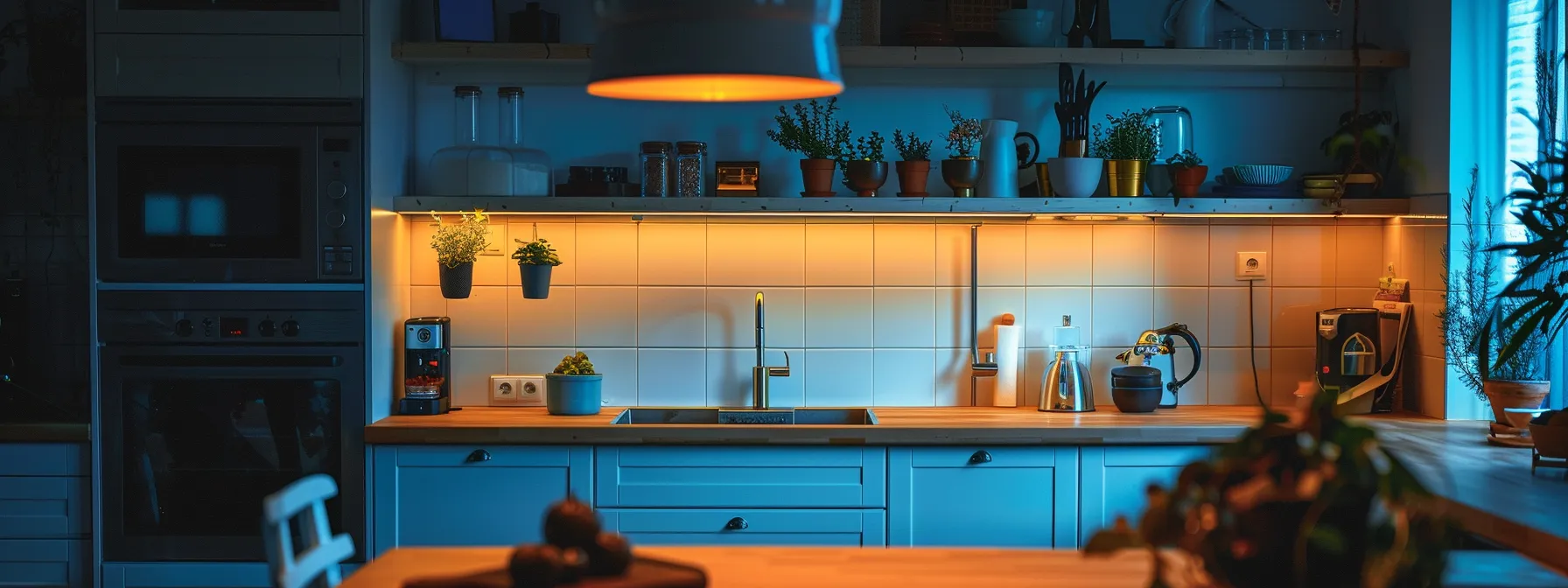
As I undertake my kitchen transformation, switching to LED bulbs stands out as a straightforward yet impactful decision. I appreciate how this choice not only enhances the ambiance of the space but also significantly reduces energy consumption. The longevity of LED bulbs means fewer replacements, adding to my commitment to sustainability.
When selecting lighting, I prioritize fixtures that not only look aesthetically pleasing but are also energy efficient. By choosing LED options, I notice a remarkable difference in my utility bills. It’s satisfying to see such immediate benefits while contributing to a greener environment.
Additionally, installing dimmer switches with my LED bulbs allows me to create various moods throughout the kitchen. This flexibility enhances the functionality of my space, catering to everything from casual meals to more formal gatherings. I value how such small changes can make my kitchen feel more inviting and versatile.
Ultimately, my decision to switch to LED lighting embodies my overall eco-conscious approach. I know that each bulb contributes to reducing my carbon footprint, making each meal prepared in my new kitchen feel even more rewarding. I am thrilled to embrace this journey toward a more sustainable living environment:
- Switching to LED bulbs for improved energy efficiency.
- Choosing aesthetically pleasing and energy-efficient fixtures.
- Installing dimmer switches to create various moods.
- Contributing to a reduced carbon footprint with each meal.
Opt for Bamboo When It Comes to Window Treatments
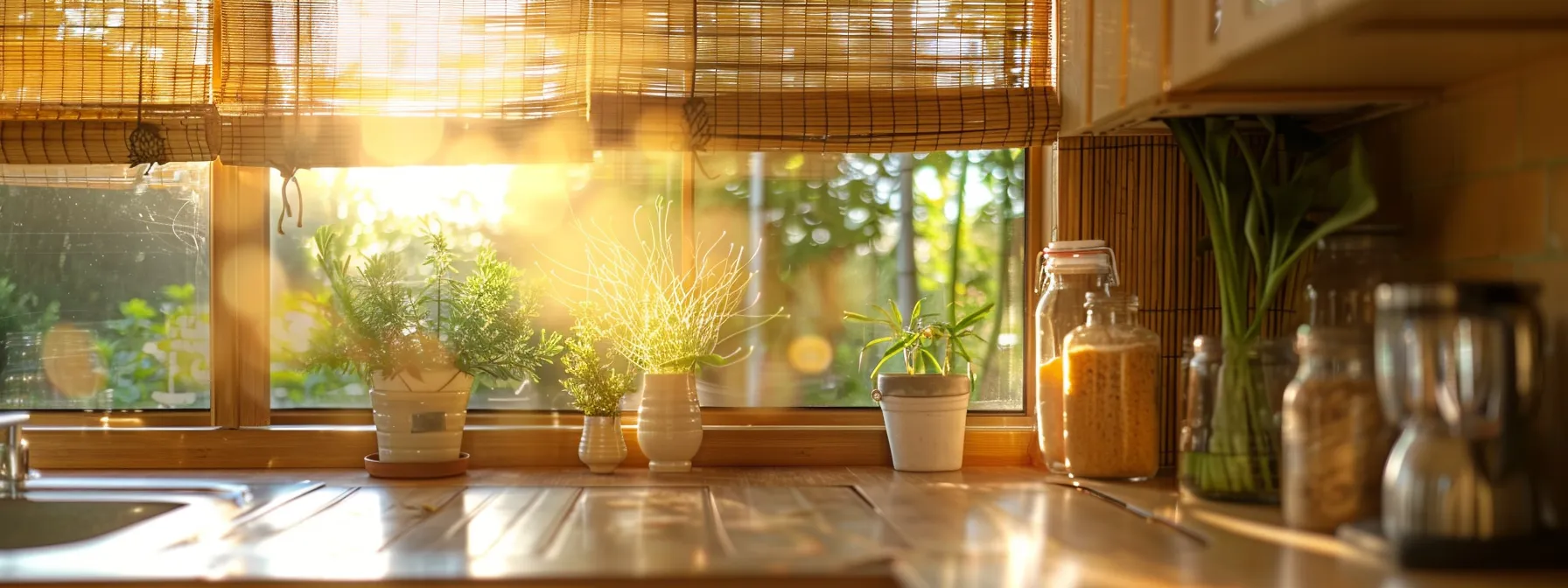
As I explore eco-friendly options for my kitchen renovation, choosing bamboo for window treatments emerges as a top contender. This material’s sustainable nature aligns seamlessly with my commitment to creating a greener home. I appreciate bamboo’s rapid growth cycle, which means I can enjoy beautiful window coverings without compromising environmental integrity.
The natural aesthetic of bamboo enhances the warmth of my kitchen, providing an inviting ambiance for family gatherings. I find that incorporating bamboo shades or blinds not only looks stylish but also contributes to energy efficiency by helping to regulate indoor temperatures. This functional aspect further reinforces my commitment to an eco-conscious lifestyle while maintaining a modern design.
Another significant benefit I’ve discovered is that bamboo window treatments are incredibly durable and resilient, making them a worthwhile investment. Their ability to withstand moisture and sunlight ensures longevity, which aligns with my approach of seeking out materials that serve both form and function. This durability means I can enjoy my beautiful window coverings for years to come without frequent replacements.
By opting for bamboo, I feel empowered to create a stylish kitchen while embracing sustainability. This choice reflects my dedication to thoughtful living and reinforces the importance of selecting materials that honor the environment. With each design decision, I aim to cultivate a space that embodies both beauty and responsibility in my green kitchen transformation.
Save Energy With a Boiling Water Tap
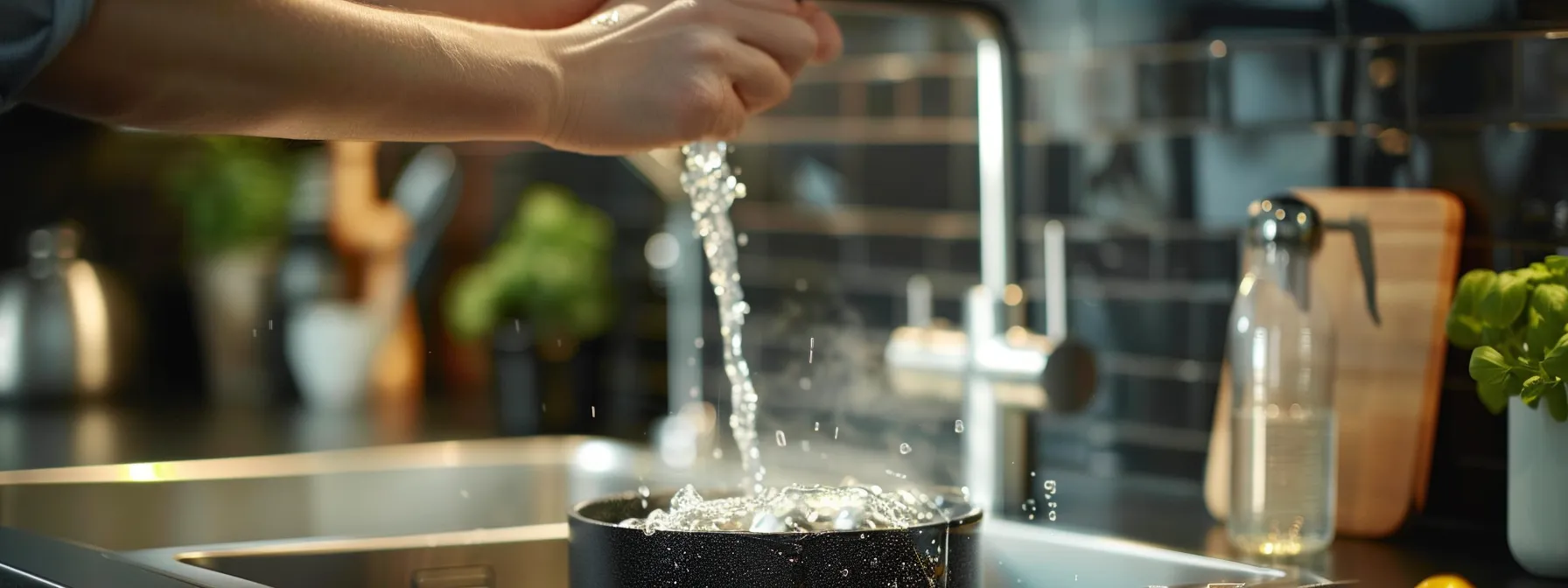
In my quest for creating an eco-friendly kitchen, I’ve discovered the advantages of installing a boiling water tap. This innovative addition not only saves energy but also streamlines the cooking process, making meal preparation quicker and more efficient. Having instant access to boiling water allows me to reduce waste by eliminating the need to boil water in pots, which consumes energy unnecessarily.
As I integrate this feature into my remodel, I’ve noticed a significant improvement in my kitchen’s functionality. The convenience of instant hot water enhances my cooking experience, whether I’m steeping tea, blanching vegetables, or preparing pasta. This efficiency resonates with my commitment to a sustainable lifestyle while ensuring that my kitchen meets all my culinary needs.
Moreover, the energy savings from a boiling water tap contribute to my goal of reducing my overall carbon footprint. By consuming less energy on traditional stoves, I feel confident that I’m making a positive impact on my utility bills. This small yet meaningful decision aligns perfectly with my broader vision for an eco-conscious kitchen.
Embracing a boiling water tap exemplifies my dedication to environmentally responsible choices. I appreciate how such a modern convenience melds seamlessly with my sustainable remodeling efforts, creating a balance between efficiency and eco-friendliness. With each step I take, I am excited to transform my kitchen into a space that reflects my values and prioritizes sustainability without compromising on style or functionality.
Replace Cabinet Doors Rather Than Whole Kitchen
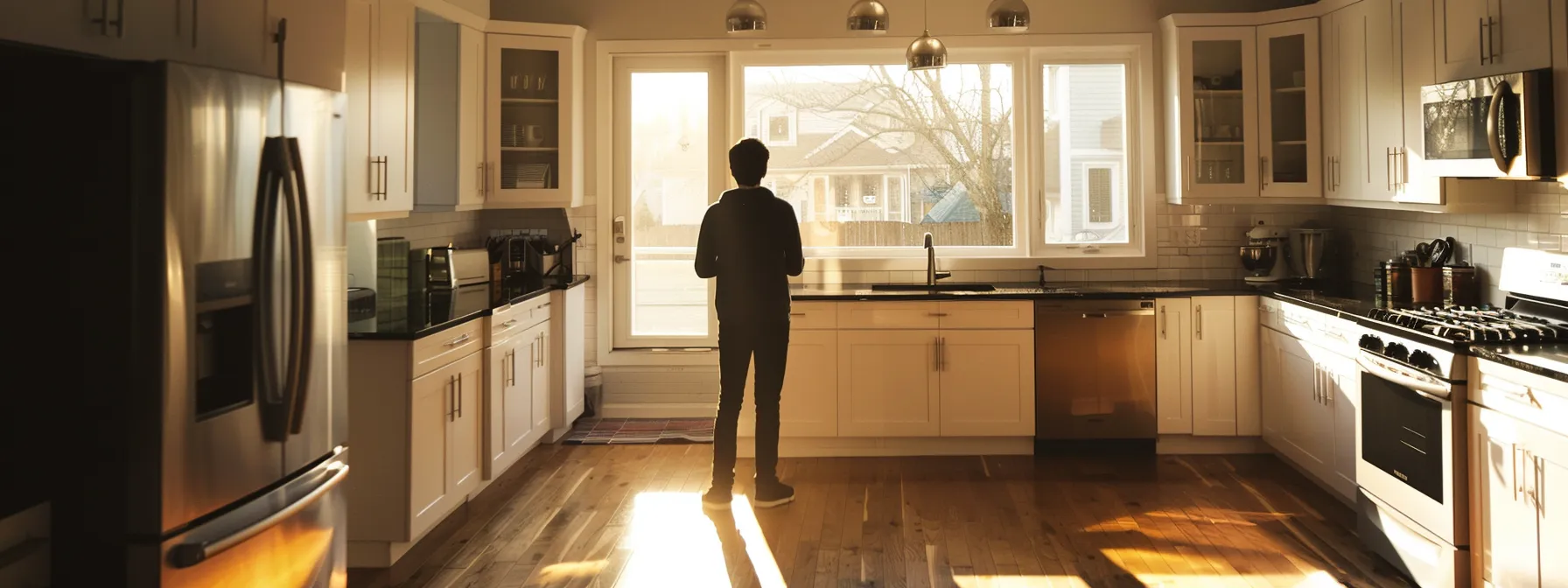
As I navigate my kitchen transformation, I realize that sometimes a fresh look can come from simple updates rather than complete overhauls. Replacing just the cabinet doors allows me to keep the existing structure intact while achieving a modern aesthetic. This approach not only saves money but also significantly reduces waste, aligning perfectly with my eco-friendly goals.
I explore various styles for my new cabinet doors, considering options like solid wood or recycled materials that maintain the charm of my kitchen. By making thoughtful selections, I can enhance the space’s visual appeal without the environmental cost typically associated with major renovations. This deliberate decision fosters both sustainability and style, ensuring my kitchen remains inviting and functional.
In addition to the visual upgrade, I focus on choosing non-toxic finishes that keep harmful chemicals out of my home. Opting for water-based paints or natural sealants promotes better indoor air quality and aligns with my commitment to healthier living spaces. Each choice I make reinforces my dedication to minimizing harm while still enjoying a beautiful kitchen environment.
Opt for Neutral Cabinetry for Timeless Appeal
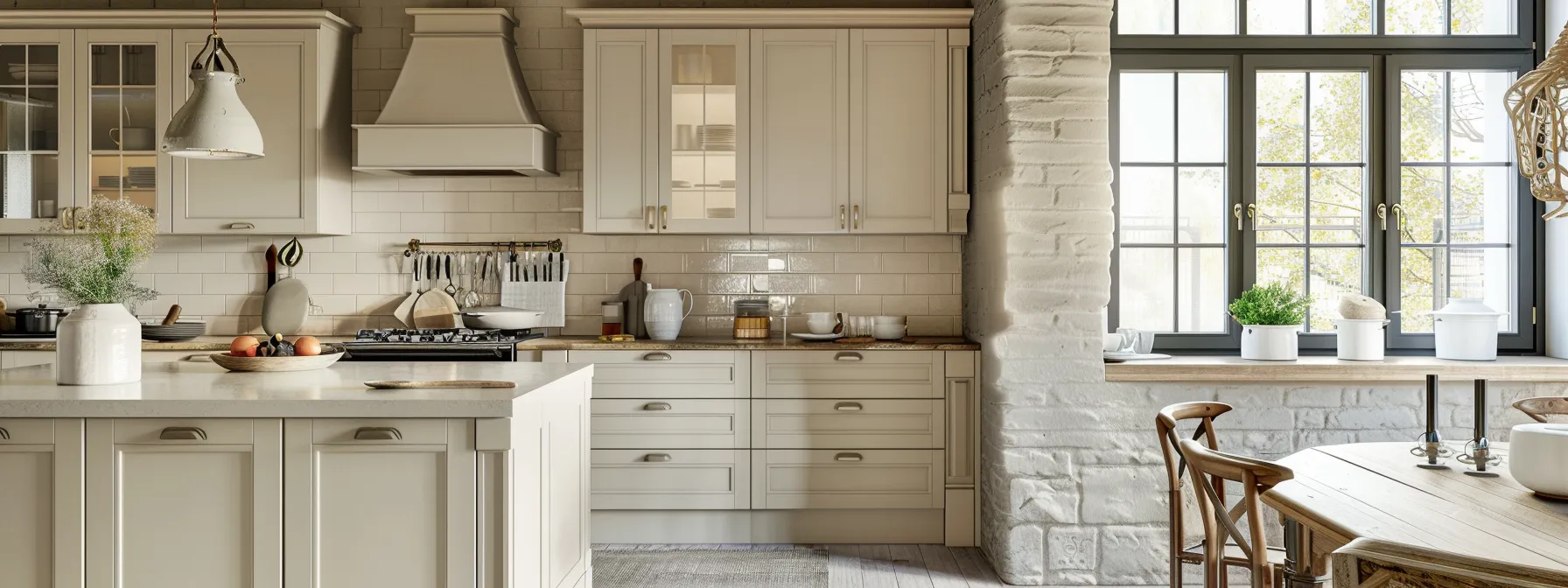
As I move forward with my green kitchen transformation, opting for neutral cabinetry has been a key decision. I appreciate how this choice creates a timeless backdrop that seamlessly complements various design elements, allowing me to showcase my commitment to sustainability without overwhelming the space.
Neutral colors foster a sense of calm while making the room feel more spacious. I’ve found that shades like soft whites, greys, and beiges can enhance natural lighting, creating an inviting atmosphere that aligns with my goal of promoting lightness and airiness in my kitchen.
Additionally, selecting cabinetry in these versatile hues empowers me to incorporate splashes of color in other areas, like accessories or wall art. This flexibility allows me to refresh the decor easily and keep the kitchen feeling current without requiring a complete overhaul.
By choosing neutral cabinetry, I also focus on high-quality materials that are sustainably sourced. This combination of aesthetics and eco-conscious choices reinforces my dedication to creating a beautiful, functional space that reflects my values and commitment to responsible living.
Install a Multi-Functional Range Cooker
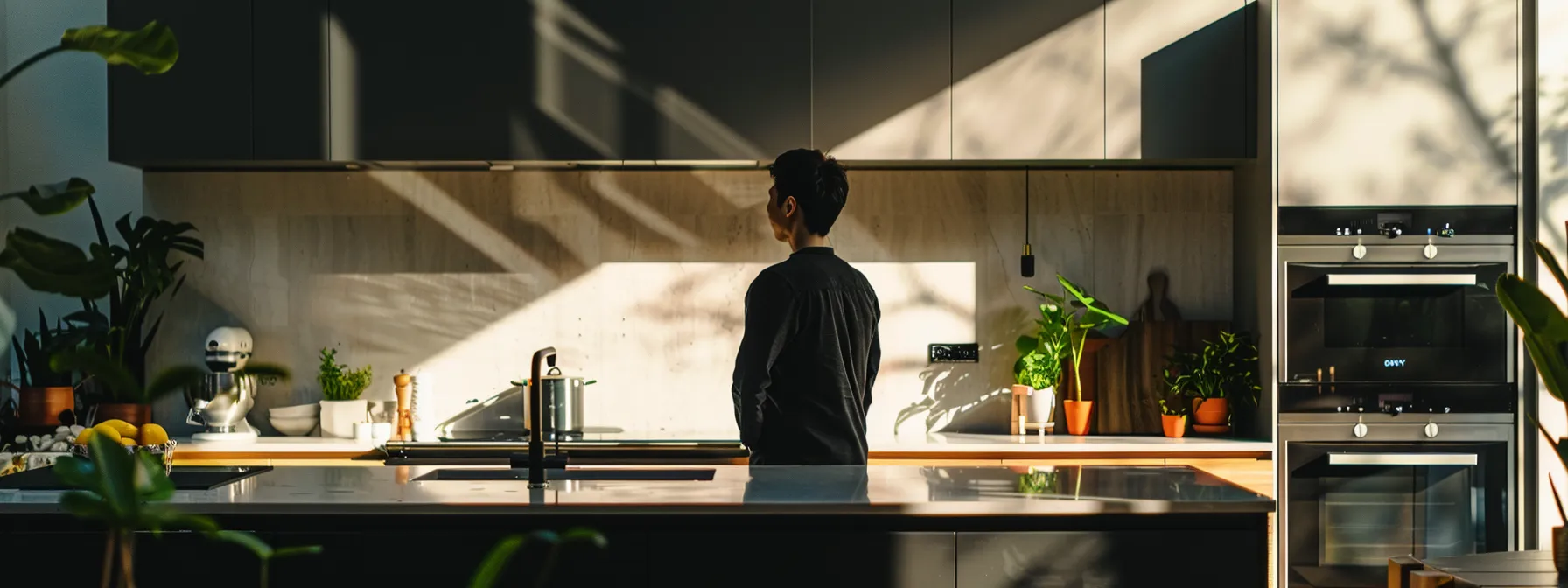
In my journey toward a sustainable kitchen, I’ve chosen to install a multi-functional range cooker. This appliance not only conserves energy but also optimizes space by combining various cooking functions into one unit. With the ability to steam, grill, and cook multiple dishes simultaneously, it enhances my culinary options while promoting efficiency.
Choosing a range cooker represents my commitment to sustainability through innovation. I appreciate how these units often feature energy-efficient designs that reduce overall power consumption. This conscious choice aligns with my goal of minimizing my carbon footprint while creating delicious meals for my family.
Moreover, the convenience of having multifunctional capabilities simplifies my cooking process. It allows me to prepare wholesome meals with less hassle, increasing my enjoyment in the kitchen. This versatility ensures that I’m maximizing both functionality and eco-friendly practices in my cooking routine:
| Feature | Benefit | Impact on Sustainability |
|---|---|---|
| Multiple Cooking Modes | Versatility in meal preparation | Reduces need for separate appliances |
| Energy Efficiency | Lower utility bills | Minimizes carbon footprint |
| Space-Saving Design | Optimizes kitchen layout | Encourages smaller, efficient units |
As I embrace my new multi-functional range cooker, I feel more empowered to explore diverse culinary techniques while remaining committed to sustainability. This thoughtful choice embodies the balance between style and eco-conscious living in my kitchen. I look forward to creating delicious, healthy meals that reflect my values around responsible consumption.
Small Changes Can Have a Big Impact
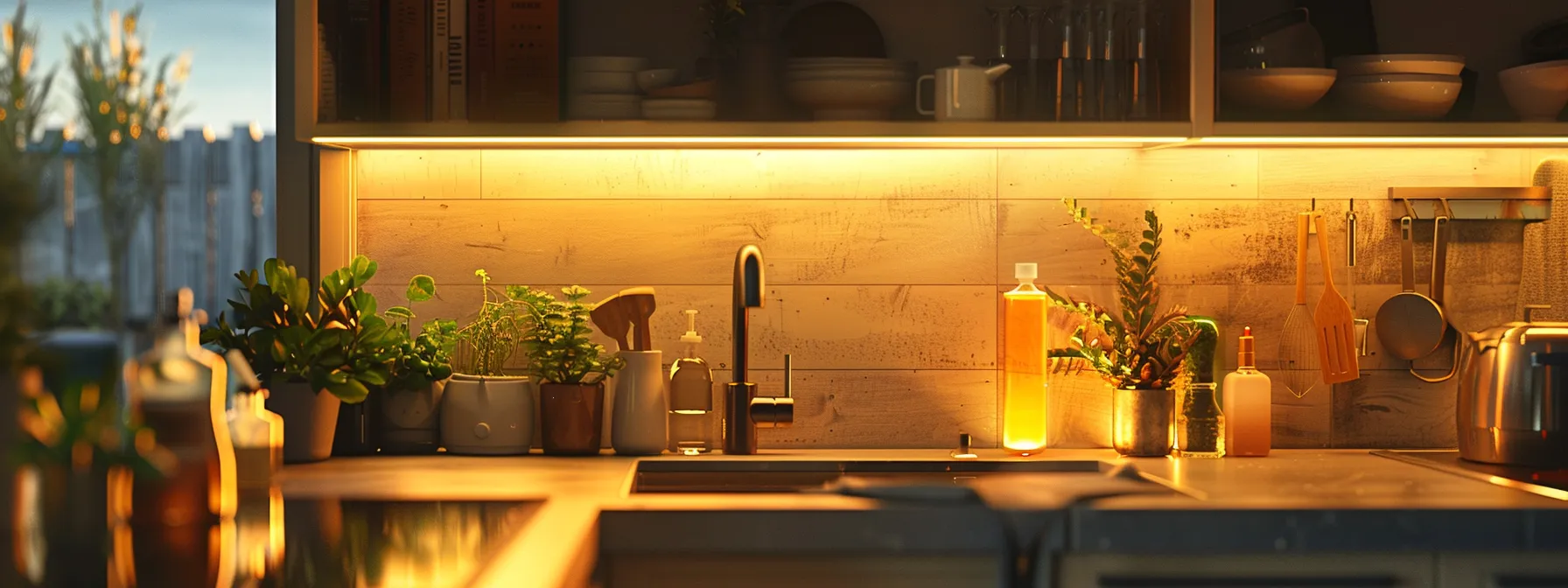
During my kitchen transformation, I have learned that small changes can significantly contribute to a more sustainable environment. Simple choices, such as switching to LED bulbs, instantly improve energy efficiency while enhancing the ambiance of the space. These alterations not only lower my utility bills but also foster a greener household.
I have also found that opting for a water purification system diminishes the need for bottled water, streamlining my kitchen’s functionality. This switch reduces plastic waste and aligns with my commitment to responsible consumption. Every time I refill my reusable bottles, I feel proud of the positive impact I’m making.
Emphasizing natural cleaning products further reinforces my dedication to maintaining a healthy indoor atmosphere. By selecting eco-friendly alternatives, I eliminate harmful chemicals that can compromise my family’s well-being. This conscious choice contributes to cleaner air quality in my kitchen.
These small adjustments can lead to substantial rewards when it comes to sustainability:
- Switching to LED bulbs to enhance energy efficiency.
- Installing a water purification system to reduce plastic waste.
- Choosing natural cleaning products for a healthier indoor environment.