




Master Your Bathroom Renovation Timeline Planning
Are you overwhelmed by the complexity of planning a bathroom renovation? You’re not alone; many homeowners struggle with this crucial task. In this article, I will outline how to master your bathroom renovation timeline, focusing on essential steps like budgeting and avoiding common pitfalls. By following these tips, you’ll streamline your makeover process, from choosing the right countertop and sink to managing project timelines effectively. Let’s eliminate the stress and help you achieve a successful renovation that meets your goals.
Understanding Your Bathroom Renovation Timeline
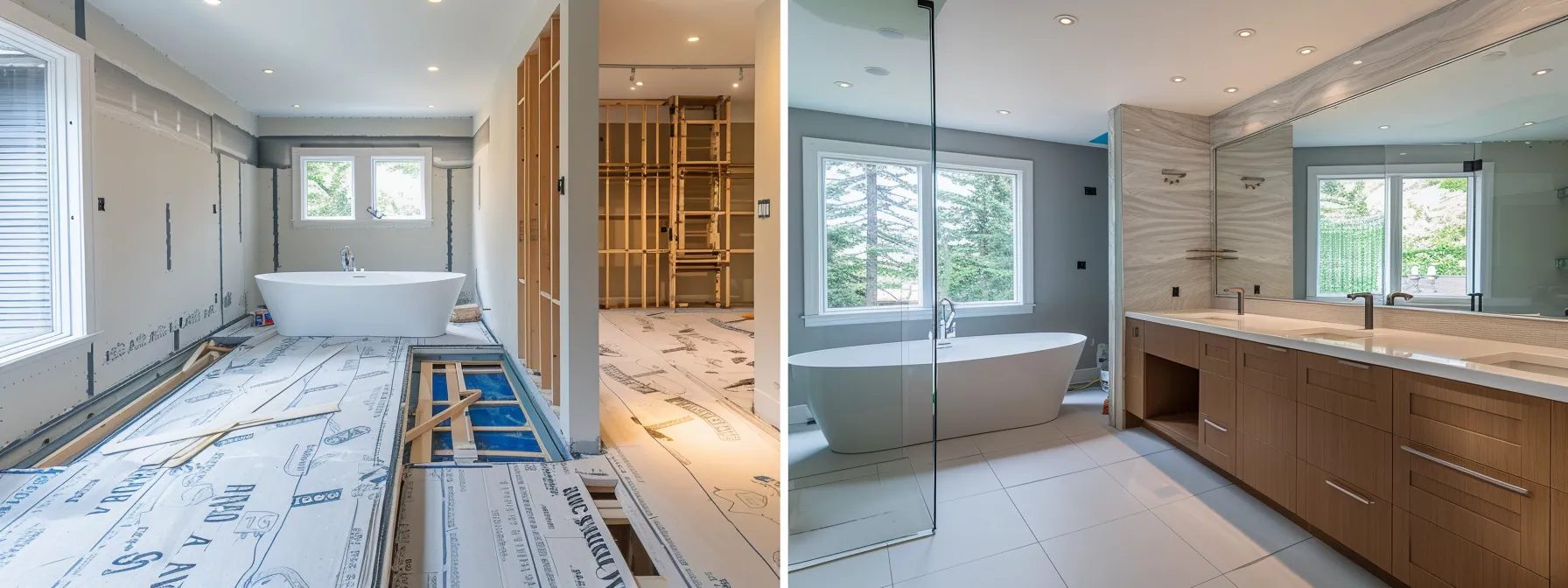
In my experience, successfully navigating a bathroom renovation timeline starts with thorough research and careful planning. I emphasize the importance of defining your floor plan and lighting choices during The Brothers Bloom preliminary stage. Setting realistic timeframes involves understanding what to expect at each phase, including contracting and material procurement. Additionally, we must be prepared for unexpected delays while finalizing all plans.
By breaking down the timeline phase-by-phase, we can manage our expectations and ensure we cover essential components, such as walls and fixtures, efficiently. This structured approach provides practical insights for a smoother renovation process.
The Preliminary Stage: Dreaming and Planning
In the preliminary stage of your bathroom remodel project, I find that establishing a clear vision is essential. This begins with laying out your floor plan and selecting key elements such as cabinetry, which will significantly impact the overall aesthetic and functionality of the space. I suggest making decisions on lighting and storage options early on to avoid delays as we progress through the renovation process.
Another important consideration during this phase is the integration of features like underfloor heating, which can greatly enhance comfort. Planning for elements like towel storage or racks is also crucial, as it affects both design and usability. By carefully mapping out these components, we can ensure a smoother renovation journey that meets both style and practical needs.
Setting Realistic Timeframes: What to Expect
When setting realistic timeframes for your bathroom renovation project, understanding the dynamics of the supply chain is critical. Delays in material delivery due to supply chain issues can extend timelines significantly, so it’s important to account for this when planning. For instance, if you’ve chosen a specific tile or fixture, ensuring its availability before starting the project can prevent interruptions that are otherwise easily avoidable.
In addition to materials, I’ve found that factoring in essential tasks like electrical wiring can impact your schedule considerably. If unexpected issues arise, such as mold found during demolition, it can set back the project. Consequently, having a flexible plan that includes contingencies for these potential hurdles will enable you to keep the renovation on track, ensuring a timeline that more accurately reflects the work required for your bathroom‘s transformation.
Deconstructing the Timeline: Phase-by-Phase Breakdown
Deconstructing your bathroom renovation timeline starts with defining each phase clearly. I usually begin with demolition, which involves the careful removal of existing fixtures and materials like tiles or cabinetry. This phase should allow time for any repairs, such as fixing the underlying cement structure, and typically lasts about one to two weeks, depending on the bathroom size and the complexity of your existing setup.
Next, I move to the rough-in stage, where essential systems are put in place. This includes hiring an electrician to install new wiring and lighting fixtures. Once the plumbing and electrical work are set, the installation of features like marble countertops and new cabinetry takes place. I recommend planning for at least two weeks for this phase to ensure everything is properly aligned and meets your design expectations:
- Demolition: Removal of old fixtures and materials.
- Rough-in: Installation of plumbing and electrical systems.
- Installation: Placement of new cabinetry, countertops, and fixtures.
Adjusting Your Timeline for Unexpected Delays
When unexpected issues arise during a bathroom renovation, such as water damage or debris in the ceiling, adjusting your timeline becomes necessary. I’ve encountered projects where finding hidden mold behind walls or the need for additional grout work not only delayed progress but also required careful re-evaluation of the initial plan. Having the knowledge to incorporate flexible scheduling into your timeline can minimize frustration and ensure that the renovation progresses as smoothly as possible.
To effectively manage setbacks, it’s wise to create a buffer in your timeline for unforeseen circumstances. For instance, I typically recommend adding at least a week to accommodate potential delays from material availability or unforeseen repairs. By being proactive and allowing time for adjustments, such as addressing water damage, you can maintain momentum in your renovation project:
- Identify potential risks early in the planning stage.
- Set flexible deadlines to accommodate unexpected repairs.
- Communicate regularly with contractors regarding any issues.
Finalizing Your Plan: Securing Materials and Hiring Contractors
Finalizing your bathroom renovation plan involves meticulously securing materials and hiring qualified contractors. I recommend starting with a comprehensive inspection of your space, which helps identify any underlying issues before demolition begins. This ensures that when you select materials, they are not only stylish but also meet local building code requirements, reducing the risk of costly adjustments later on.
Once you have assessed your needs and preferences, the next step is to carefully vet potential contractors. In my experience, open communication about your vision and their previous work can establish a good working relationship. Scheduling meetings with contractors prior to the project allows you to discuss timelines, clarify roles during demolition, and ensure they are prepared to handle inspections efficiently throughout the renovation process.
Essential Steps for Effective Bathroom Renovation Planning
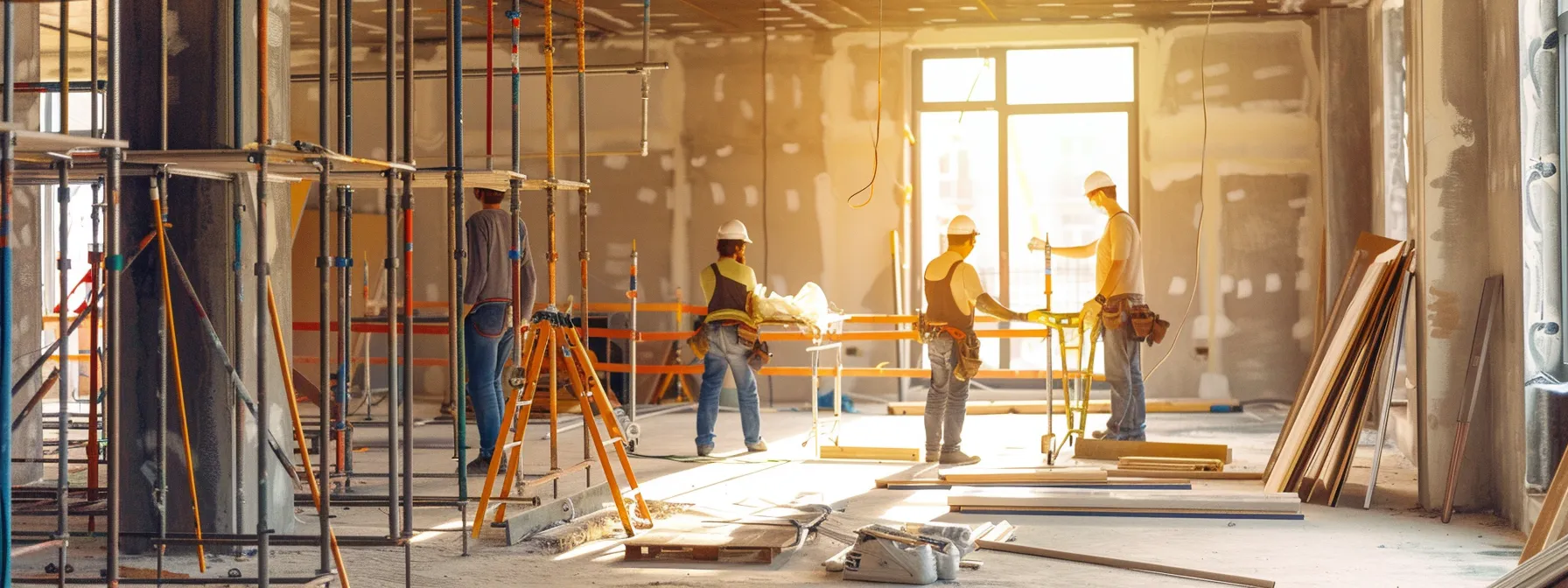
In effective bathroom renovation planning, starting with an initial consultation and design conceptualization is crucial. I prioritize obtaining necessary permits to ensure compliance with local regulations. Selecting the right general contractor requires attention to detail and knowing their capabilities, which I will guide you through. I’ll outline the construction phase, detailing what occurs at each step, and help you navigate the finishing touches from painting to fixtures, ensuring accessibility and high-quality results at each level.
Initial Consultation and Design Conceptualization
During the initial consultation for your bathroom remodel, I prioritize discussing your vision and needs with an architect or interior designer. This conversation helps me gather essential details on your style preferences and how you plan to use the space, enabling us to create a design that is both functional and aesthetically pleasing. By addressing key aspects such as carpentry and waterproofing from the outset, we can ensure a seamless workflow that adheres to your timeline while meeting all necessary building codes.
As we conceptualize the design, I focus on practical solutions that reflect your desired outcome. This includes considering the layout, storage options, and fixture placement to enhance usability. Throughout this phase, I remain committed to providing my clients with an accurate representation of the anticipated results, which can reduce the risk of costly changes later on. These foundational steps are crucial for setting a solid timeline that aligns with your renovation goals:
| Step | Description | Key Considerations |
|---|---|---|
| Initial Consultation | Discuss vision and needs with an architect or interior designer. | Style preference and usage of space. |
| Design Conceptualization | Create a functional layout incorporating carpentry and waterproofing. | Adherence to building codes. |
| Feedback Loop | Provide representation of anticipated results to reduce cost changes. | Client satisfaction and clear communication. |
The Importance of Obtaining Necessary Permits
Obtaining the necessary permits is a vital step in any full bathroom renovation. In my experience, failing to secure these permits can lead to significant delays and costly adjustments later on. Proper permits not only ensure compliance with local building codes but also protect your investment in materials like granite countertops and custom cabinetry. I emphasize that thorough measurement and planning during this phase can save time and frustration down the line, keeping your bathroom remodel timeline on track.
Each locality has its own regulations, which is why I always encourage clients to check with local authorities before starting their project. This proactive approach clears up any potential issues regarding aspects like plumbing and electrical work, which often require inspections. By being diligent in this process, you can avoid the headache of having to redo work or pay fines, ensuring that your renovation, from the selection of wood finishes to the final touches, proceeds smoothly and efficiently.
Selecting the Right Contractor: Tips and Tricks
Selecting the right contractor is a pivotal step in my bathroom renovation timeline planning. I recommend researching contractors who specialize in bathroom upgrades, particularly those with strong portfolios featuring projects similar to my vision, whether it includes a luxurious shower, a stunning bathtub, or elegant tile work. Understanding their policies on warranty and customer satisfaction can provide additional assurance that I’m making the right choice for my renovation needs.
Moreover, I find it essential to have open communication with potential contractors about specific materials, such as quartz countertops and unique tile options. During initial meetings, discussing timelines and project expectations helps establish a collaborative relationship. By confirming that the contractor understands my style preferences and renovation goals, I can mitigate common pain points and enhance the overall experience, ensuring a timely workflow that aligns with my planned schedule.
Detailing the Construction Phase: What Happens When
During the construction phase of my bathroom remodeling project, precise execution is essential for a successful home improvement endeavor. I meticulously oversee the timeline, which often begins with the installation of plumbing and electrical systems, ensuring everything is in place before moving on. This stage may also include structural adjustments and the careful application of caulk to prevent moisture intrusion, which is vital for maintaining safety and durability in the bathroom.
Following the initial installations, I focus on the aesthetic aspects, such as tile work and cabinetry placement. It’s crucial to have quality materials and skilled labor to enhance the overall design while also adhering to safety standards. By monitoring each step closely, I can address any challenges that arise promptly, ensuring the project stays on schedule and meets the standards I envision for my newly renovated space:
- Installation of plumbing and electrical systems.
- Structural adjustments and application of caulk.
- Quality tile work and cabinetry placement.
- Monitoring progress and addressing challenges.
Navigating the Finishing Touches: From Painting to Fixtures
Navigating the finishing touches of your bathroom renovation is a critical phase that can elevate the entire project. After addressing structural elements like drywall installation, I focus on details such as painting and fixture selection. I emphasize the importance of choosing high-quality paints that are moisture-resistant to withstand the bathroom environment, ensuring longevity and a polished look.
Selecting the right fixtures is equally important, as they serve both functional and aesthetic purposes in your newly renovated space. During this process, I often refer to FAQs regarding fixture compatibility and maintenance, which can guide decisions on elements like faucets and lighting. By paying attention to these finishing touches, I ensure that the renovation not only meets practical needs but also achieves the desired style and elegance, creating a bathroom that I can be proud of.
Budgeting for Your Bathroom Renovation: A Structured Approach
Creating a realistic budget for your bathroom renovation is vital for achieving your vision. I focus on allocating funds wisely, distinguishing between essentials and luxuries. I’ll provide cost-saving tips that maintain quality while understanding the return on investment that bathroom renovations can offer. Additionally, I will explore financing options to help turn your ideas into reality.
Creating a Budget That Reflects Your Vision
Creating a budget that reflects your vision for a bathroom renovation requires careful thought and planning. I often recommend beginning with a thorough assessment of all potential expenses, including materials, labor, and any unexpected costs that may arise during the project. This approach not only helps to keep your finances in check, but also ensures that you allocate funds toward high-priority areas that align with your design goals.
As I develop my budget, I make it a point to differentiate between essential elements and luxury upgrades. For instance, I prioritize investing in quality plumbing fixtures and durable flooring, while looking for opportunities to save in areas like cabinetry by considering alternatives that still meet my aesthetic needs. By doing so, I can achieve a beautifully renovated bathroom without exceeding my financial limits:
| Budget Element | Description | Cost-Saving Tips |
|---|---|---|
| Plumbing Fixtures | Invest in high-quality fixtures for durability. | Look for sales or discounts on trusted brands. |
| Flooring | Choose durable and moisture-resistant materials. | Consider alternative materials that mimic expensive options. |
| Cabinetry | Spend wisely on cabinetry that matches your style. | Explore ready-to-assemble options for savings. |
Allocating Funds: Essentials vs. Luxuries
When I plan my bathroom renovation budget, I prioritize distinguishing between essential items and luxury upgrades. Essentials, such as quality plumbing fixtures and durable flooring materials, form the foundation of a functional bathroom. I focus on investing in these crucial components to ensure long-term performance while keeping costs manageable.
Once I’ve allocated funds for the essential items, I turn my attention to luxury features that enhance the overall experience. Items like high-end tiles or premium vanities can elevate the aesthetics of the space, but I carefully evaluate their impact on my budget. By thoughtfully balancing these luxurious elements with necessities, I can create a beautiful, cohesive bathroom without exceeding my financial limits.
Cost-Saving Tips Without Compromising Quality
When budgeting for a bathroom renovation, there are practical steps I take to save costs without sacrificing quality. I often seek out materials that offer the look and durability of higher-end options at a fraction of the price, such as porcelain tiles that mimic natural stone. Additionally, I look for sales or clearance events from local suppliers, which can significantly reduce expenses on essential items like fixtures and cabinetry.
Another effective strategy I employ is to focus on DIY elements whenever possible. For example, I tackle simple tasks like painting or installing accessories myself to cut down on labor costs. By carefully selecting which aspects of the renovation I can manage, I can allocate more of my budget toward high-quality materials and finishes, ensuring my bathroom renovation meets both my aesthetic and functional needs while keeping expenses in check:
- Seek sales or clearance items for materials.
- Choose budget-friendly alternatives that maintain quality.
- Embrace DIY for painting and simple installations.
Understanding the Return on Investment of Bathroom Renovations
Understanding the return on investment (ROI) of bathroom renovations is essential for anyone looking to maximize their budget. I often see homeowners achieve a significant increase in their property value after a well-executed bathroom remodel. According to various real estate reports, an updated bathroom can yield ROI of up to 70-80%, making it one of the most valuable renovation projects to undertake.
When I plan my renovations, I prioritize upgrades that not only enhance aesthetics but also add functionality. For example, investing in energy-efficient fixtures can reduce water bills and appeal to buyers’ growing interest in sustainability. By selecting improvements that align with market demands, I can ensure my bathroom renovation is a financially sound decision that provides lasting value:
| Renovation Element | Impact on ROI | Example |
|---|---|---|
| Quality Fixtures | High ROI due to durability and appeal | Low-flow toilets and faucets |
| Modern Aesthetics | Boosts property value with updated designs | Granite countertops |
| Energy Efficiency | Reduces utility costs, attractive to buyers | LED lighting |
Financing Options for Your Bathroom Makeover
When considering financing options for your bathroom makeover, I’ve found it essential to explore various avenues that can accommodate your budget and timeline. Personal loans are a popular choice, offering flexibility in repayment terms, while home equity lines of credit can provide access to larger sums based on your property value. Understanding each financing method’s pros and cons helps you determine which option aligns best with your financial situation and renovation goals.
Additionally, I often recommend looking into specialized financing programs offered by contractors or local home improvement stores. These programs may provide promotional interest rates and manageable payment plans tailored for renovation projects like bathrooms. By utilizing these resources, I can ensure that I maintain control over spending while still achieving my vision for a beautifully renovated space.
Common Pitfalls and How to Avoid Them
Mistiming your renovation due to scheduling conflicts can lead to significant setbacks in your bathroom project. Budgeting missteps often result in underestimating costs, while overlooking small details can create challenges that affect both usability and aesthetics. Additionally, skipping the permit process may cause legal issues, and last-minute changes frequently result in delays. By addressing these common pitfalls, you can streamline your renovation timeline effectively.
Mistiming Your Renovation: Scheduling Conflicts
Mistiming your bathroom renovation due to scheduling conflicts can lead to unnecessary frustration and delays. I’ve witnessed projects stall when contractors are unavailable, creating a domino effect on the timeline. To mitigate these issues, I always emphasize the importance of scheduling consultations with contractors early in the planning phase to align everyone’s availability and set clear deadlines.
Additionally, I recommend creating a detailed project timeline that includes buffer periods to account for unexpected delays. For example, when I plan my renovations, I build in extra time for each phase, acknowledging that unforeseen challenges often arise. This proactive approach allows me to maintain momentum throughout the renovation process, ultimately leading to a more successful and timely completion of the project.
Underestimating the Cost: Budgeting Missteps
Underestimating the cost during a bathroom renovation can derail even the most carefully planned timeline. In my experience, I have seen many homeowners overlook hidden expenses that can arise, such as plumbing repairs or upgrades to electrical systems. To avoid this pitfall, it’s essential to create a comprehensive budget that encompasses all potential costs, including materials, labor, and a contingency for unexpected expenses.
In addition, I advise conducting thorough research on costs associated with materials and fixtures well in advance. Setting aside at least 10-15% of your overall budget as a buffer for surprises can safeguard against financial strain during the renovation. By maintaining transparency with your contractor about budget constraints, you can also help ensure that you are making informed decisions that align with both your vision and financial projections:
- Identify all potential costs early in the planning stage.
- Include a contingency fund in your budget.
- Communicate budget limits with your contractor to avoid misunderstandings.
Overlooking Small Details That Make a Big Difference
During a bathroom renovation, small details can have a substantial impact on both functionality and aesthetics. I often encounter situations where clients overlook essential aspects, such as the placement of towel racks or the type of grout color used. These seemingly minor choices can enhance the overall look of the space and improve usability, making the bathroom experience more enjoyable. Paying attention to these details during the planning phase can prevent frustration later on.
Another area often overlooked is the selection of accessories and finishes, which can elevate the entire design. Simple elements like drawer pulls, faucets, or lighting fixtures are easy to dismiss, yet they play a critical role in tying together the bathroom‘s overall style. In my practice, I emphasize the importance of committing to these details early in the process to avoid last-minute changes that can disrupt the timeline and lead to additional costs:
| Detail | Impact | Example |
|---|---|---|
| Towel Rack Placement | Improves usability and accessibility | Strategically placed near the shower |
| Grout Color | Affects visual appearance | Choosing a color that complements tiles |
| Faucets and Fixtures | Enhances overall design | Stylish faucets matching bathroom theme |
The Consequences of Skipping the Permit Process
Skipping the permit process during my bathroom renovation can lead to significant consequences that impact both the project timeline and overall project costs. Failing to secure the necessary permits can result in legal issues, necessitating costly rework or modifications to meet building codes. I have seen clients face fines or required modifications that delayed their renovations by weeks, ultimately turning a straightforward remodeling into a complicated legal matter.
Furthermore, if issues arise post-renovation—like plumbing or electrical failures—having no permits can jeopardize warranty claims and insurance coverage, leaving homeowners financially vulnerable. To avoid these pitfalls, I always advise my clients to thoroughly research local regulations and secure all necessary permits, ensuring that their renovations are both compliant and protected. This proactive approach not only safeguards the investment but also keeps the project on track and stress-free:
| Consequence | Impact | Example |
|---|---|---|
| Legal Issues | Potential fines and required rework | Remedying unpermitted renovations |
| Failed Inspections | Increased project delays | Adjustments requested by local authorities |
| Insurance Problems | Loss of warranty claims | Repair costs not covered due to lack of permits |
Preventing Delays by Avoiding Last-Minute Changes
In my experience, last-minute changes can significantly derail a bathroom renovation timeline. When clients decide to adjust fixtures, materials, or layout after the project has commenced, it often leads to delays as we must re-sequence the work and sometimes reorder materials. To combat this, I advise establishing a comprehensive plan early on and sticking to it as closely as possible; this minimizes the risk of frustrating changes that can throw off the entire schedule.
Another strategy I’ve found effective is maintaining open lines of communication throughout the renovation process. By encouraging discussions about any concerns or desires for changes before the work begins, we can make informed decisions at the right time. This proactive approach ensures that we avoid the pitfalls of last-minute adjustments, helping to keep the project flowing smoothly and within the expected timeline.
Maximizing Efficiency: Techniques to Accelerate Your Bathroom Renovation
To accelerate your bathroom renovation while mastering the timeline, I focus on several key techniques. First, I prioritize tasks to ensure a smoother journey. I also leverage modern technologies for efficient design and planning, which saves time. By streamlining decision-making, syncing vendor deliveries with the project timeline, and balancing quick fixes with long-term solutions, I can enhance the overall renovation experience.
Prioritizing Tasks for a Smoother Renovation Journey
In my experience, prioritizing tasks during a bathroom renovation is key to ensuring a smooth and efficient process. I recommend beginning with the most critical tasks, such as plumbing and electrical work, as they form the backbone of the renovation. This foundational work should be completed before moving on to less critical elements, like fixtures and decoration, allowing for a logical flow that minimizes the chance of setbacks.
After establishing a solid base, focus on elements that can be completed concurrently, such as tile installation and cabinetry setup. This approach saves valuable time and ensures that work doesn’t stall at any point. To encapsulate my planning philosophy, I always create a detailed timeline that clearly delineates each task’s priority, allowing for easy tracking and adjustment as issues arise:
| Task | Description | Priority Level |
|---|---|---|
| Plumbing | Install or upgrade plumbing systems. | High |
| Electrical Work | Install new wiring and fixtures. | High |
| Tile Installation | Lay floor and wall tiles. | Medium |
| Cabinet Installation | Place cabinets and countertops. | Medium |
| Finishing Touches | Install accessories and paint. | Low |
Leveraging Modern Technologies for Design and Planning
Leveraging modern technologies in my bathroom renovation planning has proven invaluable for improving efficiency and accuracy. For instance, using design software allows me to create detailed 3D models, helping visualize the layout and making adjustments before any physical work begins. These tools not only streamline decision-making but also minimize costly changes down the line, ensuring that the design aligns with my initial vision.
Moreover, I find that project management apps enhance communication with contractors and suppliers, keeping everyone on the same page regarding timelines and responsibilities. By using these technologies, I can track progress in real-time, manage tasks effectively, and quickly address any emerging issues. This proactive approach to leveraging technology keeps my renovations on schedule and reduces stress, allowing me to focus on creating the bathroom of my dreams.
Streamlining Decision-Making: Tips for Quick Consensus
Streamlining decision-making is crucial when navigating a bathroom renovation timeline. I recommend establishing clear criteria for making choices about materials, fixtures, and design elements, which helps keep the process moving smoothly. For example, if I outline specific preferences for tile color and cabinetry style from the start, it reduces the time spent deliberating on options later, allowing us to maintain momentum and stay within the projected timeline.
Another effective strategy I employ is scheduling regular check-ins with my contractors and design team throughout the renovation process. During these meetings, we can address any concerns, revisit decisions, and make prompt adjustments as needed. This proactive approach ensures that everyone remains aligned with the project’s goals and timelines, minimizing delays caused by indecision or misunderstandings. The key to success in achieving a timely bathroom renovation is clear communication and informed decision-making:
| Decision | Criteria for Quick Consensus | Outcome |
|---|---|---|
| Tile Selection | Set color and pattern preferences upfront. | Reduces selection time and maintains project pace. |
| Cabinetry Style | Define style and material choices early. | Streamlines decision process and solidifies design vision. |
| Fixture Choices | Agree on major fixture styles ahead of time. | Prevents conflicts and speed up installations. |
Synchronizing Vendor Deliveries With Your Project Timeline
Synchronizing vendor deliveries with my project timeline is crucial for maintaining momentum during a bathroom renovation. I often create a detailed schedule that outlines the anticipated arrival dates for materials, fixtures, and other essential components. By aligning these deliveries with the renovation phases, I can ensure that the right items are on site when needed, preventing delays that can disrupt the workflow and extend the project timeline.
In my experience, effective communication with suppliers is key to avoiding potential setbacks. I make it a priority to confirm availability and shipping timelines before finalizing orders. This proactive approach allows me to address any potential issues upfront, such as reordering materials if they aren’t readily available. Ultimately, synchronizing deliveries not only streamlines the renovation process but also helps me create a more organized and efficient workflow that leads to timely completion.
Quick Fixes vs. Long-Term Solutions: Striking the Right Balance
When considering your bathroom renovation, it’s important to weigh quick fixes against long-term solutions. While quick fixes, such as applying a new coat of paint or replacing hardware, may provide immediate aesthetic improvements, they often lack the durability and functionality needed for a lasting remodel. In my experience, investing in long-term solutions, like quality fixtures or durable flooring, enhances both the performance and longevity of the space, making it more valuable over time.
Finding the right balance between quick fixes and long-term solutions can significantly impact your project’s timeline and overall satisfaction. By prioritizing permanent improvements that align with your vision, I aim to avoid the frustration of frequent repairs or replacements down the line. For instance, while I may temporarily update a sink or vanity for immediate use, I focus on planning for high-quality installations that can withstand the demands of daily life, ensuring a beautiful and functional bathroom for years to come.
Wrapping Up Your Bathroom Renovation: Post-Renovation Checklist
Wrapping up your bathroom renovation involves several essential steps to ensure everything meets your expectations. I cover conducting a final walkthrough to confirm quality and completion, establishing a thorough post-renovation cleaning regimen, and highlighting maintenance tips to keep your new bathroom in optimal condition. Additionally, I explore the joy of celebrating your transformation through before-and-after comparisons and underscore the importance of understanding your home’s post-renovation value for a complete overview of the project.
Conducting a Final Walkthrough: Ensuring Quality and Completion
Conducting a final walkthrough is a crucial step in ensuring the quality and completion of your bathroom renovation. During this phase, I focus on checking that all work aligns with my initial vision and that everything is in proper working order. I advise scrutinizing finishes, fixtures, and installations to confirm that they meet my expectations before signing off on the project.
In my experience, taking time during this walkthrough can uncover any minor details that may need adjustments, like ensuring cabinetry doors align seamlessly or that faucets operate effectively. Addressing these issues now, rather than after the project wraps up, can save time and prevent future frustrations. Ultimately, this thorough review solidifies my satisfaction with the finished bathroom, confirming that the renovation process has been a success.
The Importance of a Post-Renovation Cleaning Regiment
After completing a bathroom renovation, I find that implementing a thorough post-renovation cleaning regimen is essential for showcasing the new space. Dust and debris can accumulate during construction, affecting the overall appearance and functionality of the bathroom. A systematic cleaning process ensures that every surface, from countertops to fixtures, sparkles and remains in great condition, allowing my renovation efforts to shine.
Moreover, a proper cleaning routine helps to identify any overlooked areas or minor touch-ups needed that could otherwise go unnoticed. For instance, I recommend paying close attention to grout and caulking, as any residue or imperfections can detract from the polished look of the newly renovated space. By committing to this cleaning phase, I set the stage for ongoing maintenance and enjoyment of my transformed bathroom:
| Step | Description | Key Considerations |
|---|---|---|
| Dust and Debris Removal | Clear surfaces, floors, and ventilation fixtures. | Use a vacuum and damp cloth for effective cleaning. |
| Surface Polish | Apply cleaners to countertops, sinks, and fixtures. | Choose appropriate products for each material type. |
| Grout and Caulking Inspection | Check for any gaps or residues around tiles and fixtures. | Ensure grout is clean and evenly applied. |
Maintenance Tips to Preserve Your Newly Renovated Bathroom
To maintain your newly renovated bathroom‘s pristine condition, I recommend implementing a regular cleaning schedule. Cleaning surfaces, such as countertops and tiles, with appropriate household cleaners will help prevent grime buildup and keep fixtures looking new. Additionally, ensuring you dry the surfaces after each use can significantly reduce water spots and mildew, extending the lifespan of your installations. By addressing cleanliness proactively, I find that homeowners can enjoy their bathroom upgrades while minimizing wear and tear.
Another essential tip for preserving your renovated bathroom is to regularly check and maintain key components like plumbing and caulking. Inspecting for leaks or moisture accumulation behind fixtures can help identify issues before they escalate into costly repairs. Moreover, reapplying caulk around tubs and sinks every couple of years ensures a watertight seal, safeguarding your elegant finishes. By staying ahead of maintenance, I can help you protect your investment and keep your bathroom looking great for years to come:
| Maintenance Task | Description | Frequency |
|---|---|---|
| Regular Cleaning | Clean surfaces with suitable cleaners to prevent grime buildup. | Weekly |
| Leak Inspection | Check plumbing fixtures for leaks or moisture buildup. | Monthly |
| Caulk Reapplication | Replace caulk around tubs and sinks to prevent water damage. | Every 1-2 years |
Celebrating Your Renovation: Before and After Comparisons
Celebrating the successful conclusion of your bathroom renovation is an essential step in the process. By creating compelling before and after comparisons, I have found that it not only showcases the transformation of the space but also provides a sense of accomplishment. Documenting these changes can also serve as a valuable reference for future renovations or repairs, allowing you to reflect on what worked well and what could be improved in your next project.
Sharing these striking visuals, whether through social media or home improvement platforms, can also connect you with a community of fellow homeowners. In my experience, receiving feedback on your renovation can enhance your pride in the project and inspire others who may be contemplating similar changes. Engaging with others about your bathroom transformation helps underline the importance of effective timeline planning and execution, providing insights that could benefit future renovations.
Post-Renovation Valuation: Understanding Your Home’s New Value
Once the renovation is complete, understanding the post-renovation valuation of your home is essential for gauging the return on your investment. I’ve often observed that a bathroom remodel can increase a property’s value significantly, sometimes recovering around 70-80% of renovation costs. Knowing the updated value not only helps you assess the financial benefits of your project but also provides leverage if you decide to sell your home in the future.
To get an accurate understanding of your home’s new value, I recommend seeking a professional appraisal. This step can confirm the impact of your renovations in relation to current market trends. Additionally, consider documenting the changes made during the renovation, as this information can be helpful for real estate agents when marketing your home, showcasing how the updated features contribute to its overall appeal and value.